
Tech readers: Practical guide to events and listings this week
A clear, technology-focused guide to evaluating events in Germany, website tactics, business directories, and housing for tech professionals this week.

Readers often ask how to navigate tech events and practical listings without wasting time. This guide answers with concrete steps to find relevant happenings, evaluate a site’s credibility, and use listings for business or relocation decisions. It stays focused on what matters for technology professionals and students alike.
Whether you’re scouting conferences, engineering meetups, or regional tech directories, you’ll learn how to assess quality, compare options, and avoid common traps. The goal is a usable workflow you can apply today.
From filtering tools to planning a visit, expect practical tips you can act on, with examples that fit real-world tech work and education.
- Plan with a goal in mind to save time at tech events.
- Use credible, up-to-date pages to judge reliability of listings.
- Balance hands-on formats with virtual options to maximize learning.
- Regional directories are valuable when you filter by tech focus and location.
Basics for finding quality events
Understand your tech goals
Define what you want from a tech event: learning, networking, or recruiting. Identify topics such as AI, cybersecurity, or software architecture and map them to your calendar. This helps you select events that align with current projects or career moves. Veranstaltungen in Deutschland diese Woche
- Attend too many events and lose focus
- Ignore agenda details and pick based on hype
- Underprepare questions and follow-ups
Keep expectations realistic: not every event will deliver. Look for speakers with practical case studies and sessions that fit your skill level. Use this filter to avoid time sink events.
- Set specific learning outcomes
- Check speaker bios for hands-on experience
- Prioritize events with workshops or demos
- Schedule travel and time buffers
- Review recent event recaps for value
Assessing event credibility
Investigate the organizer’s track record and partner organizations. Reputable tech events usually publish a detailed agenda, speaker profiles, and accessibility information. This makes it easier to judge relevance and depth.
Compare forums or community feedback to see how attendees rate sessions and logistics. Look for consistent, specific feedback rather than generic praise. This reduces the chance of biased or inflated impressions.
- Check organizer history and past events
- Review speaker qualifications
- Read recent attendee comments
- Confirm accessibility and terms
How to plan a site’s presence
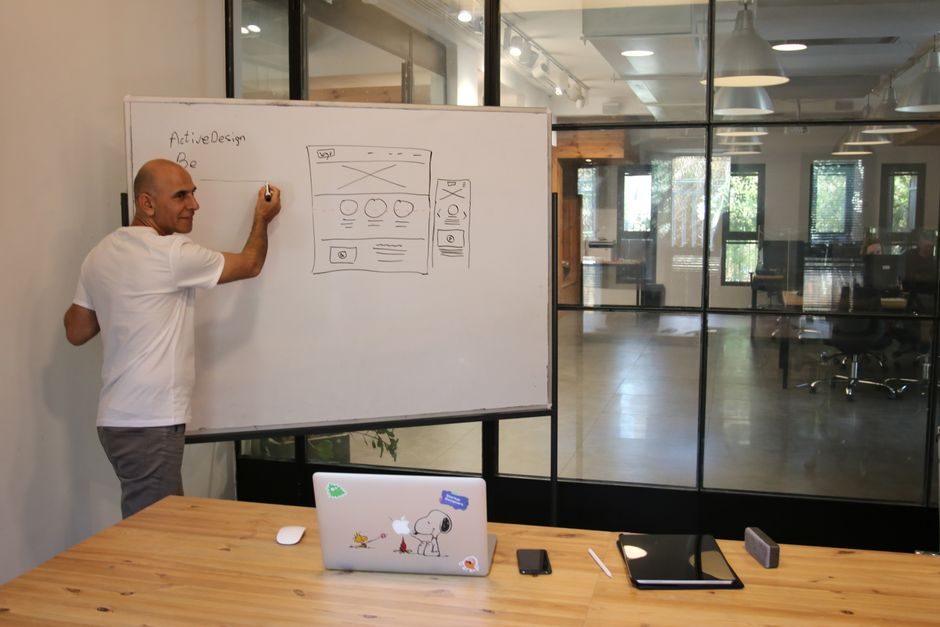
Wiring your site for visibility
To help users find relevant tech content, structure pages with clear headings and predictable navigation. Use concise labels for sections such as events, directories, and housing. This makes it easier to balance information with performance. A useful resource on this topic: Wie Machen Webseite.
Implement search and filter options to let readers quickly zero in on topics like AI conferences or regional listings. A good result path prevents reader fatigue and increases retention.
- Keep categories mutually exclusive
- Prioritize fast load times
- Provide obvious filters
- Use semantic headings
- Test with real users
Creating reliable resource pages
Resource pages should be up-to-date, with links that stay relevant for weeks or months. Use a simple update cadence and note changes when content shifts. This helps tech readers trust your site as a go-to resource.
Avoid overloading pages with too many external links; curate a few trusted sources and regularly verify them. Readers benefit from predictability and reduced churn.
- Limit outbound links to quality sources
- Schedule periodic checks
- Signal updates clearly
- Document changes for readers
Options for tech readers and listings
Choosing the right event formats
Prefer formats that maximize learning: hands-on workshops, demos, and tracks with practical takeaways. Compare formats by workload and the likelihood of useful contacts. This helps you pick sessions that align with your time budget. A useful resource on this topic: Unternehmen im Deutschland Branchenbuch listen.
- ☐ Assess time investment for each format
- ☐ Confirm hands-on components
- ☐ Check access to recordings if needed
Consider hybrid options if travel is a constraint; virtual formats can extend access to high-quality content without geographic limits. Balance this with the value of in-person networking.
- Workshops over talks when hands-on skills matter
- Demos for product insight
- Tracks that match your projects
- Hybrid access when travel is limited
| Format | Pros | Cons |
|---|---|---|
| Workshops | Hands-on skills, concrete成果 | Time-consuming |
| Demos | Direct product insight | Limited depth |
| Tracks | Broad coverage, networking | May be general not specific |
Using regional directories effectively
Regional tech directories can connect you with local meetups, incubators, and partner organizations. Use search terms that combine technology focus with your city or region to surface relevant events. This helps you build a practical calendar and community ties.
Cross-reference listings with official organizers and user reviews to gauge reliability. Local databases often provide useful context about the scale and focus of events.
- Filter by tech stack
- Check event scope and audience
- Look for recurring events with clear value
- Keep a personal calendar of recurring listings
Before committing, map each event to your goals: learning new tooling, networking with peers, or validating a use case.
Practical pitfalls to avoid

Common scheduling conflicts to watch
Identify overlapping events that pull attention away from core topics. When you see two talks on similar subjects at the same time, prioritize the session with clearer agendas and a track record of practical demonstrations. This keeps your team from chasing duplicate information and missing deeper insights. A useful resource on this topic: Zimmer und Wohnungen mieten in Deutschland.
Before committing, map each event to your goals: learning new tooling, networking with peers, or validating a use case. If an event offers limited parallel tracks, choose the path that aligns with your current technology priorities and roadmap. The right choice saves time and increases actionable takeaways.
Record concrete objectives for each chosen session, then evaluate outcomes after the event. If the session didn’t deliver on its stated goals, adjust future selections. This habit builds better curation and sharper technology focus over time.
- Check parallel tracks before buying tickets
- Prioritize sessions with hands-on content
- Note post-event follow-ups and materials
How listings vary in quality
Some listings are rich with dates, locations, and speaker topics; others are sparse and vague. Look for entries that include schedules, venue details, and a clear registration process. Quality listings save you time and reduce the risk of missed opportunities.
Compare details across several sources to validate accuracy. Mismatched times or ambiguous locations are common in crowded weeks. Favor listings that provide direct links to official event pages and downloadable agendas.
Treat every listing as a starting point, then verify with the event’s official channel. This extra check helps you avoid last-minute surprises and ensures your team has current information during planning.
Pro tips for efficiency
Streamlining the search process
Use targeted keywords and filters to prune the vast list of events. Save time by focusing on a short set of topics, such as cybersecurity, AI conferences, or developer meetups. This approach yields relevant results without scanning every listing. Traueranzeige schalten in Deutschland is a phrase you may encounter when researching event listings that touch on German-speaking regions and cultural contexts.
Create a quick screening checklist: date range, location practicality, and whether the event offers practical sessions. If a listing lacks these details, deprioritize it for now and revisit later with new information.
Maintain a shared calendar for your team with critical events highlighted. This avoids duplicated effort and makes it easier to coordinate attendance across departments.
- Filter by topic and date
- Keep a concise screening rubric
- Synchronize team calendars
Choosing follow-up actions
For each event, decide an action: take notes, request slides, or arrange a demo with a vendor. Explicit post-event tasks turn attendance into tangible knowledge gains. Without follow-up, potential value fades quickly.
Assign a responsible person and a deadline for each action. A short review meeting within a week helps convert notes into practical decisions. This creates a direct line from listing to implementation.
Archive materials and extract 2–3 implementable ideas per event. Prioritize changes that align with your current tech stack and security requirements. Concrete results beat general impressions.
Tools and services that help

Aggregators and alerting systems
Use aggregators to consolidate listings from multiple sources into a single view. This reduces manual searches and helps you spot new events quickly. Favor tools that let you filter by topic, date, and location.
Set up alerts for key topics like AI safety, cloud security, and open-source tooling. Timely notifications push high-relevance events to your inbox or chat app, cutting down noise from low-value listings.
Regularly refresh your filters to reflect changing priorities and new conference cycles. A dynamic alert setup preserves your focus on the most relevant opportunities.
- Consolidated event feeds
- Topic and date filters
- Customizable alerts
CRM-like tracking for listings
Treat listings like inbound leads: capture source, relevance, and next steps. Use a lightweight spreadsheet or a simple CRM to keep track of what to attend and what to skip. This makes it easier to defend decisions with data.
Tag each entry by technology area and potential impact, so you can prioritize later. Revisit older listings if you have new use cases or budget cycles. A structured approach helps maintain long-term visibility.
Export periodic summaries for stakeholders to show alignment with roadmaps. Clear reporting reinforces why certain events mattered and informs future planning.
What readers should remember about modern listings
Context matters more than freshness
A listing may be new but unhelpful if it omits scope or venue details. Prioritize entries that explain what you’ll learn and why it matters for your tech stack. Freshness alone does not guarantee value.
Always compare against your current priorities and active projects. Listings that align with your challenges help you justify attendance to teammates and managers. The practical payoff matters more than novelty.
Avoid overloading calendars with low-signal events. A selective approach increases the likelihood of meaningful outcomes. Quality over quantity should guide your choices.
Local and virtual balance
Local events offer hands-on demos and in-person networking, which can accelerate decisions. Virtual options can cover more ground with less travel time. Balance both to maximize learning and leverage.
If travel constraints exist, prioritize events with recorded sessions and post-event materials. This ensures you can revisit complex topics on your own timeline. A hybrid approach often yields the best returns.
Evaluate venue accessibility and time zones to minimize friction. Logistics can undermine even strong content if attendance becomes burdensome. Plan with practical constraints in mind.
Frequently asked questions
How can I verify the quality of a listing quickly?Check for complete details such as dates, location, agenda, and registration links. Compare the listing against the event’s official site and look for independent reviews or sample sessions. If these are missing, deprioritize the entry to avoid wasted time.
What makes an event worth attending for a tech team?An event is valuable when it offers practical content, hands-on sessions, or clear applicability to ongoing projects. Prefer programs with demonstrations, case studies, or tutorials that you can translate into your workflows within a reasonable timeframe.
How should a team handle post-event actions?Assign owners for notes, slides, and demos, with a tight deadline. Schedule a follow-up session to discuss concrete takeaways and potential pilots. Concrete steps ensure attendance yields measurable progress.
Is virtual attendance as effective as in-person?Virtual attendance can be efficient for briefings and demonstrations, but it may limit networking and hands-on labs. Where possible, mix formats to cover both knowledge and relationship-building needs.
Next steps for smarter listings
Treat listings as guided entry points rather than final decisions. Build a disciplined process for evaluating relevance, filtering out noise, and logging outcomes. A clear routine keeps your tech strategy aligned with learning opportunities.
Choose a handful of high-potential events, set concrete follow-up tasks, and review results against roadmap priorities. This approach turns attendance into observable gains for projects, teams, and security practices.

Add Technology News as a preferred source on Google


