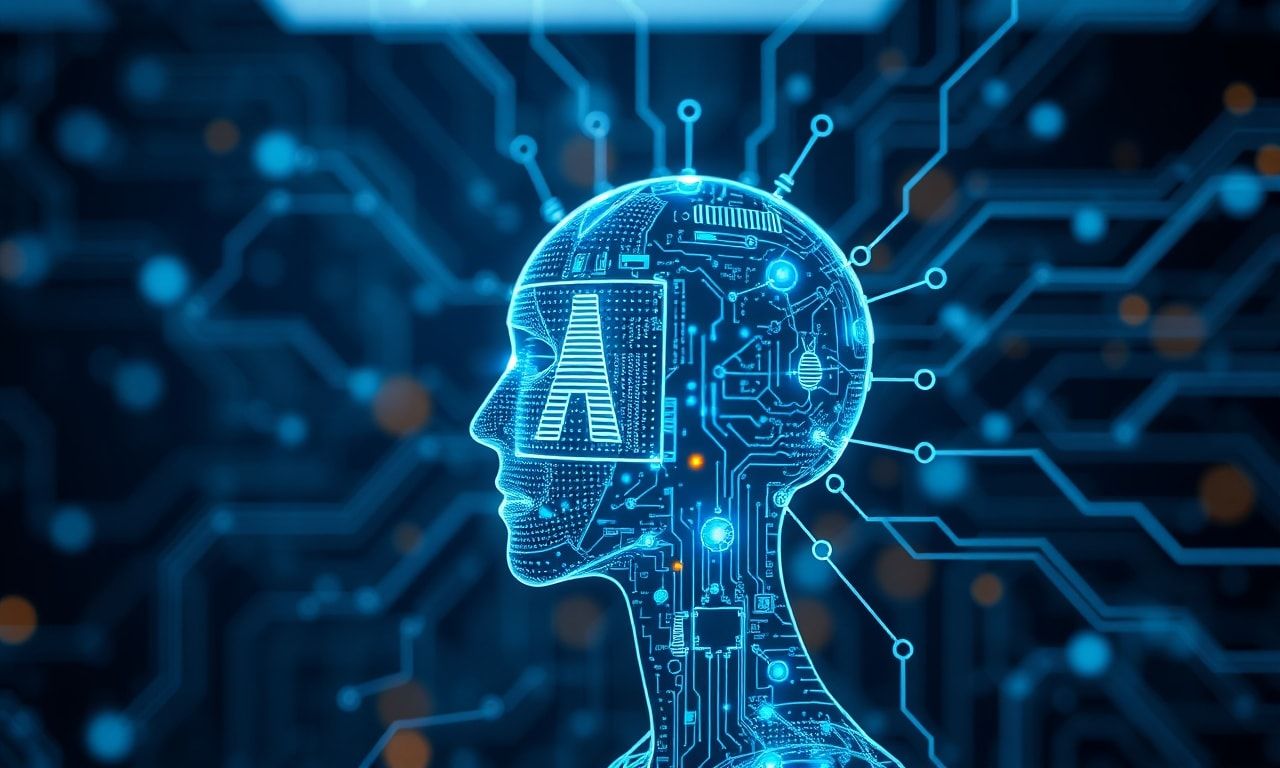
The Evolving Landscape of Cybersecurity
The digital age has brought about unprecedented advancements in technology, but with these advancements come new challenges, particularly in the realm of cybersecurity. As our reliance on digital systems grows, so does the need for robust security measures to protect sensitive information. Traditional cybersecurity methods, while still relevant, are increasingly being augmented by artificial intelligence (AI) to create more dynamic and responsive defense mechanisms.
The Role of AI in Modern Cybersecurity
AI is revolutionizing the field of cybersecurity by enabling systems to detect and respond to threats in real-time. Machine learning algorithms can analyze vast amounts of data to identify patterns and anomalies that may indicate a cyber attack. This proactive approach allows for quicker response times and more effective mitigation of potential breaches. Additionally, AI can automate routine security tasks, freeing up cybersecurity professionals to focus on more complex issues.
One of the most significant benefits of AI in cybersecurity is its ability to adapt. Traditional security systems rely on predefined rules and signatures to identify threats, which can be easily bypassed by sophisticated attackers. AI, on the other hand, can learn from each encounter, continuously improving its ability to detect and neutralize threats. This adaptability is crucial in an ever-evolving threat landscape.
AI-Powered Threat Detection
AI-powered threat detection systems use machine learning to analyze network traffic and identify suspicious activities. These systems can detect anomalies that may indicate a cyber attack, such as unusual login attempts or data exfiltration. By leveraging AI, organizations can significantly reduce the time it takes to identify and respond to threats, minimizing potential damage.
For instance, AI can be used to monitor user behavior and detect deviations from normal patterns. If a user suddenly starts accessing large amounts of data or attempting to log in from multiple locations, the system can flag these activities as potential security risks. This behavior-based approach is particularly effective against insider threats and advanced persistent threats (APTs).
Automated Response Mechanisms
In addition to threat detection, AI can also automate response mechanisms. Automated response systems can isolate affected systems, block malicious IP addresses, and even deploy patches to vulnerable software. This automation not only speeds up the response time but also reduces the workload on cybersecurity teams, allowing them to focus on more strategic tasks.
For example, AI can be integrated with Security Information and Event Management (SIEM) systems to provide real-time analysis and automated responses. These systems can correlate data from multiple sources, identify potential threats, and take immediate action to mitigate the risk. This proactive approach is essential in today’s fast-paced digital environment.
The Intersection of AI and Cybercrime
While AI is a powerful tool for enhancing cybersecurity, it is also being exploited by cybercriminals to launch more sophisticated attacks. AI can be used to automate phishing campaigns, generate convincing fake content, and even evade detection by security systems. This dual-use nature of AI presents a significant challenge for cybersecurity professionals.
For instance, AI-powered phishing attacks can analyze a user’s online behavior and craft highly targeted messages that are more likely to succeed. These attacks can be difficult to detect, as they often mimic legitimate communications. To combat this, cybersecurity professionals must stay informed about the latest trends in cybercrime. Resources like crime news report today can provide valuable insights into emerging threats and help organizations stay ahead of potential attacks.
Ethical Considerations
The use of AI in cybersecurity also raises ethical considerations. As AI systems become more autonomous, questions arise about accountability and transparency. Who is responsible when an AI system makes a mistake? How can we ensure that AI systems are fair and unbiased? These are complex issues that require careful consideration and ongoing dialogue within the cybersecurity community.
Moreover, the use of AI in cybersecurity must be balanced with privacy concerns. AI systems often require access to large amounts of data to function effectively, which can raise privacy issues. Organizations must ensure that they are collecting and using data in a responsible and ethical manner, respecting the privacy rights of individuals.
The Future of AI in Cybersecurity
The future of AI in cybersecurity is bright, with ongoing advancements promising even more sophisticated and effective defense mechanisms. Emerging technologies like quantum computing and blockchain are also expected to play a significant role in shaping the future of cybersecurity. As these technologies evolve, they will likely be integrated with AI to create even more robust security solutions.
For example, quantum computing has the potential to break many of the encryption algorithms currently in use, posing a significant threat to data security. However, AI can be used to develop new encryption methods that are resistant to quantum attacks. Similarly, blockchain technology can provide a decentralized and tamper-proof way to store and transmit data, enhancing the security of digital transactions.
In conclusion, the convergence of AI and cybersecurity represents a new frontier in the ongoing battle against cyber threats. While AI offers powerful tools for enhancing security, it also presents new challenges that must be addressed. By staying informed about the latest trends and advancements, cybersecurity professionals can leverage AI to create more secure and resilient digital systems.
To stay updated on how Berlin’s evolving tech scene is shaping innovations, consider exploring Berlin’s tech transformation trends, a comprehensive look at the city’s latest developments.
Discover how technology is transforming the beautiful game in our latest feature, football’s tech evolution, where we delve into AI, data analytics, and cybersecurity’s role in modern strategies.
To stay updated on the latest advancements in digital transformation, particularly in the realm of tech and AI, consider exploring Turkey’s acceleration in digital shift.