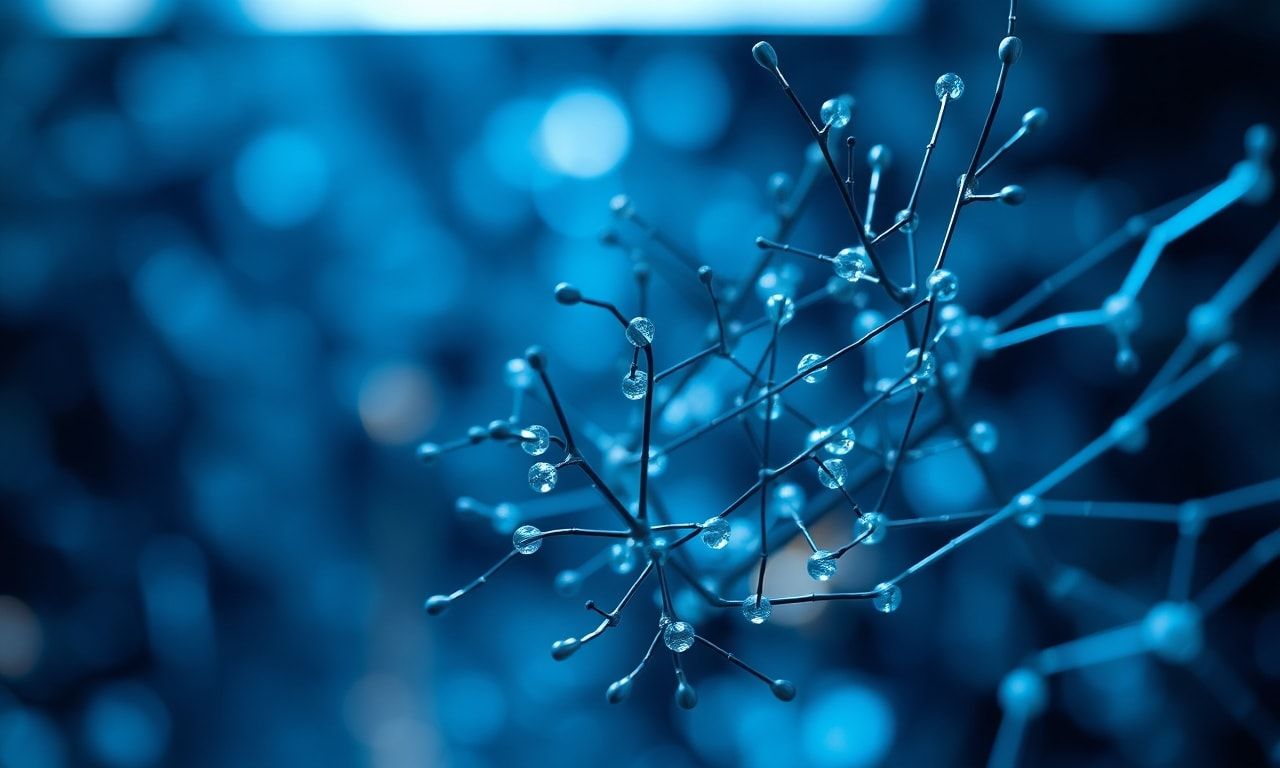
The Intersection of Technology and Biology
The rapid advancement of technology has paved the way for groundbreaking innovations in various fields, and biotechnology is no exception. The intersection of technology and biology has given rise to a new era of scientific discovery and medical breakthroughs. From gene editing to synthetic biology, the fusion of these two disciplines is reshaping our understanding of life itself.
Biotechnology, the application of biological systems and organisms to develop technologies and products, has seen unprecedented growth. This growth is driven by the integration of cutting-edge technologies such as artificial intelligence (AI), machine learning, and advanced computational tools. These technologies enable researchers to analyze vast amounts of biological data, accelerate drug discovery, and develop personalized medical treatments.
As we delve deeper into the realm of biotechnology, it is essential to stay informed about the latest trends and developments. For those interested in the top tech trends in biotechnology, numerous resources provide insights into the latest innovations and their potential impact on society.
The Role of Artificial Intelligence in Biotechnology
Artificial intelligence has emerged as a powerful tool in biotechnology, revolutionizing the way researchers approach complex biological problems. AI algorithms can process and analyze large datasets, identifying patterns and correlations that would be impossible for humans to detect. This capability is particularly valuable in genomics, where AI can help decipher the intricate code of DNA and uncover the genetic basis of diseases.
Machine learning, a subset of AI, has been instrumental in drug discovery and development. By training models on vast datasets of chemical compounds and biological targets, researchers can predict the efficacy and safety of potential drugs. This approach not only accelerates the drug discovery process but also reduces the cost and risk associated with clinical trials.
AI is also being used to optimize the production of biopharmaceuticals, such as monoclonal antibodies and vaccines. By leveraging AI-driven process optimization, manufacturers can improve yield, reduce waste, and enhance the quality of their products. This is particularly important in the context of global health crises, where rapid and scalable production of life-saving therapies is crucial.
The Impact of Biotechnology on Healthcare
The integration of biotechnology into healthcare has led to significant advancements in the diagnosis, treatment, and prevention of diseases. Personalized medicine, for example, is a field that has benefited greatly from the convergence of technology and biology. By analyzing an individual’s genetic makeup, healthcare providers can tailor treatments to the specific needs of the patient, improving outcomes and reducing adverse effects.
Gene editing technologies, such as CRISPR-Cas9, have opened up new possibilities for treating genetic disorders. By precisely editing the DNA of cells, researchers can correct genetic mutations that cause diseases. This approach has shown promise in treating conditions such as cystic fibrosis, sickle cell anemia, and certain types of cancer.
Biotechnology has also revolutionized the field of regenerative medicine. Stem cell therapy, for instance, holds great potential for repairing or replacing damaged tissues and organs. By harnessing the regenerative capabilities of stem cells, researchers are developing innovative treatments for conditions such as spinal cord injuries, heart disease, and neurodegenerative disorders.
The Ethical and Social Implications of Biotechnology
While the advancements in biotechnology offer immense potential, they also raise important ethical and social questions. The ability to edit genes, for example, raises concerns about the potential for misuse and the long-term consequences of altering the human genome. It is crucial to engage in open and inclusive discussions about these issues to ensure that the benefits of biotechnology are realized responsibly and equitably.
Another ethical consideration is the impact of biotechnology on biodiversity and the environment. The development of genetically modified organisms (GMOs) has sparked debates about the potential risks to ecosystems and the long-term sustainability of agricultural practices. It is essential to conduct rigorous risk assessments and implement robust regulatory frameworks to mitigate these risks.
As biotechnology continues to evolve, it is important to foster a dialogue between scientists, policymakers, and the public. By addressing the ethical and social implications of biotechnology, we can ensure that its benefits are realized in a manner that respects the values and aspirations of society.
The Future of Biotechnology
The future of biotechnology is bright, with numerous exciting developments on the horizon. Advances in synthetic biology, for example, are paving the way for the creation of novel biological systems and organisms with tailored functions. This field holds great promise for addressing global challenges such as climate change, food security, and energy sustainability.
Another area of great potential is the integration of biotechnology with other emerging technologies, such as nanotechnology and quantum computing. By combining these disciplines, researchers can develop innovative solutions to complex problems, ranging from disease diagnosis to environmental remediation.
As we look to the future, it is clear that biotechnology will play a pivotal role in shaping the world we live in. By embracing the opportunities and addressing the challenges, we can harness the power of biotechnology to create a healthier, more sustainable, and more equitable future for all.
To stay ahead in the rapidly evolving tech landscape, delve into our comprehensive analysis of emerging technology trends and innovations shaping the future of software, AI, and cybersecurity.
Discover how Glasgow is leveraging cutting-edge tech in the city’s digital transformation, from AI to smart infrastructure.
As AI continues to reshape our digital landscape, understanding its role in cybersecurity becomes crucial; discover how these two fields are converging in AI’s impact on cybersecurity.