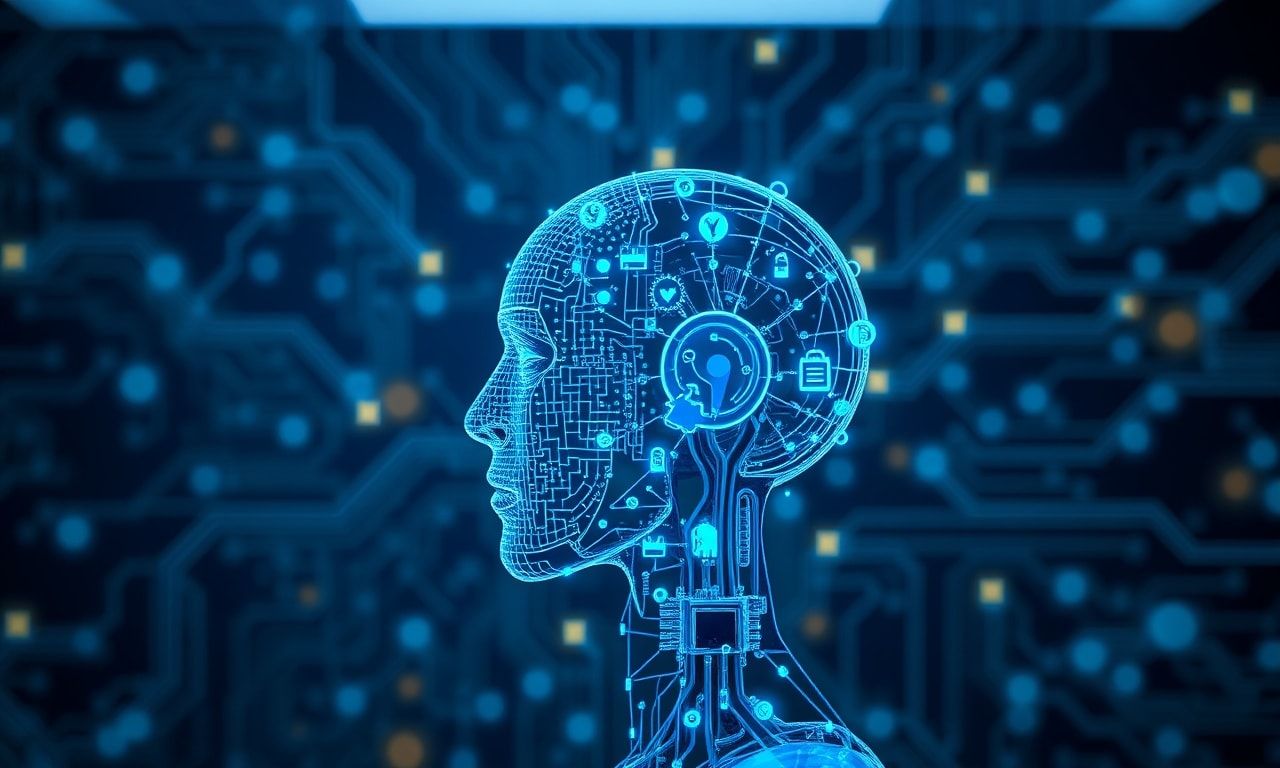
The Intersection of AI and Cybersecurity
The landscape of cybersecurity is undergoing a profound transformation, driven by the rapid advancements in artificial intelligence (AI). As cyber threats become more sophisticated, traditional security measures are no longer sufficient. AI’s ability to analyze vast amounts of data, identify patterns, and make predictions is revolutionizing the way organizations protect their digital assets. This article explores the pivotal role of AI in modern cybersecurity, highlighting its benefits, challenges, and future prospects.
The Role of AI in Threat Detection
One of the most significant contributions of AI to cybersecurity is its ability to enhance threat detection. Machine learning algorithms can sift through enormous datasets to identify anomalies that may indicate a cyber attack. These algorithms can learn from past incidents and adapt to new threats, providing a proactive approach to security. For instance, AI-powered systems can detect unusual network traffic patterns, unauthorized access attempts, and malware infections in real-time, allowing organizations to respond swiftly and mitigate potential damage.
Moreover, AI can integrate with various security tools to provide comprehensive protection. By leveraging AI, security analysts can focus on strategic tasks rather than mundane monitoring activities. This not only improves efficiency but also reduces the likelihood of human error. According to a recent local news coverage update, many companies are investing heavily in AI-driven security solutions to stay ahead of cybercriminals.
The Benefits of AI in Cybersecurity
The integration of AI into cybersecurity offers numerous benefits. Firstly, AI systems can operate continuously without fatigue, ensuring round-the-clock protection. This is particularly crucial in an era where cyber attacks can occur at any time. Secondly, AI can process and analyze data at an unprecedented speed, enabling rapid response to threats. This speed is essential in preventing the spread of malware and minimizing the impact of breaches.
Additionally, AI can enhance the accuracy of threat detection. Traditional security systems often rely on predefined rules and signatures, which can be easily bypassed by sophisticated attackers. In contrast, AI systems can adapt to new threats and learn from each encounter, improving their accuracy over time. This adaptability makes AI a powerful tool in the fight against cybercrime.
Challenges and Considerations
Despite its numerous advantages, the adoption of AI in cybersecurity is not without challenges. One of the primary concerns is the potential for false positives. AI systems may flag legitimate activities as threats, leading to unnecessary alerts and resource drain. To mitigate this, organizations must fine-tune their AI models and continuously update them with relevant data.
Another challenge is the ethical implications of AI in cybersecurity. As AI systems become more autonomous, questions arise about accountability and transparency. Organizations must ensure that their AI systems are designed with ethical considerations in mind, balancing the need for security with the protection of individual privacy.
The Future of AI in Cybersecurity
The future of AI in cybersecurity looks promising. As AI technologies continue to evolve, we can expect even more sophisticated threat detection and response mechanisms. For example, AI-powered systems may soon be able to predict cyber attacks before they occur, using predictive analytics and behavioral analysis. This proactive approach could significantly reduce the number of successful cyber attacks.
Furthermore, the integration of AI with other emerging technologies, such as blockchain and the Internet of Things (IoT), could lead to even more robust security solutions. For instance, AI can be used to monitor IoT devices for unusual activity, preventing them from being compromised and used as entry points for cyber attacks. The synergy between AI and other technologies will undoubtedly shape the future of cybersecurity.
In conclusion, AI is playing an increasingly vital role in modern cybersecurity. Its ability to enhance threat detection, improve accuracy, and adapt to new challenges makes it an invaluable tool for organizations. However, the adoption of AI must be accompanied by careful consideration of its challenges and ethical implications. As AI technologies continue to advance, the future of cybersecurity looks brighter, with AI at the forefront of the battle against cyber threats.
To understand how technology is revolutionizing athletics, delve into sports tech innovations today and discover the latest advancements in AI, wearables, and more.
As cyber threats continue to evolve, it’s crucial to stay informed about the latest security measures; discover how to safeguard your Gmail account in our comprehensive guide.
Delve into the fascinating connection between sports and societal evolution with our latest feature, sports mirroring cultural change, and discover how tech and athletics intersect in surprising ways.