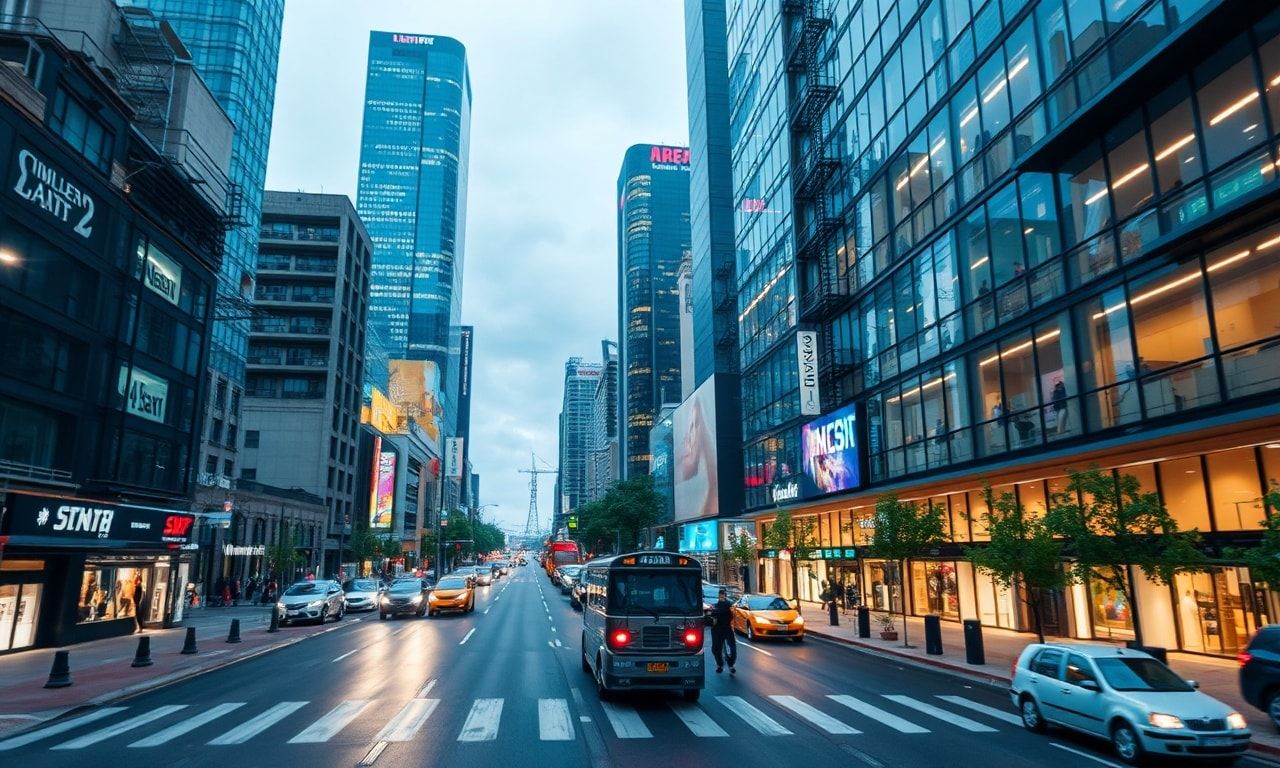
The Evolution of Smart Cities
Smart cities are no longer a concept of the distant future but a reality that is rapidly unfolding across the globe. These urban areas leverage advanced technologies to enhance the quality of life, efficiency, and sustainability. From intelligent traffic management systems to energy-efficient buildings, the integration of technology into urban infrastructure is transforming how we live, work, and interact with our surroundings.
The Role of IoT in Smart Cities
The Internet of Things (IoT) is at the heart of smart city development. IoT devices collect and exchange data, enabling cities to monitor and manage various aspects of urban life. For instance, smart sensors can detect traffic congestion and adjust traffic lights in real-time, reducing commute times and emissions. Similarly, waste management systems equipped with IoT sensors can optimize waste collection routes, ensuring efficiency and cost savings.
Key IoT Applications in Urban Environments
- Smart Lighting: Street lights equipped with sensors can dim or brighten based on real-time usage, conserving energy and reducing costs.
- Air Quality Monitoring: IoT sensors can track air quality levels, providing data that helps cities implement measures to reduce pollution.
- Public Safety: Surveillance cameras and sensors can detect unusual activities, enhancing public safety and enabling quicker response times.
The Impact of AI on Urban Living
Artificial Intelligence (AI) is another critical component of smart cities. AI algorithms analyze vast amounts of data to predict trends, optimize resources, and improve decision-making. For example, AI can predict energy consumption patterns, allowing cities to manage energy distribution more effectively. Additionally, AI-powered chatbots and virtual assistants can provide citizens with instant access to information and services, enhancing the overall user experience.
One of the most exciting applications of AI in smart cities is the development of autonomous vehicles. Self-driving cars and public transportation systems can significantly reduce traffic congestion, accidents, and emissions. These vehicles rely on AI to navigate complex urban environments, making them a key component of future smart city infrastructure.
AI in Public Services
AI is also revolutionizing public services. For instance, AI-driven predictive analytics can help cities anticipate and respond to emergencies, such as natural disasters or public health crises. Moreover, AI can enhance the efficiency of public services like waste management, water supply, and public transportation by optimizing routes, schedules, and resource allocation.
The Importance of Cybersecurity in Smart Cities
As smart cities become more interconnected, the need for robust cybersecurity measures becomes paramount. The vast amount of data collected and exchanged in smart cities makes them attractive targets for cybercriminals. A breach in a smart city’s infrastructure can have severe consequences, including disruptions to essential services and compromise of sensitive data.
Key Cybersecurity Measures for Smart Cities
- Data Encryption: Encrypting data both in transit and at rest ensures that sensitive information remains secure.
- Network Segmentation: Segmenting networks can limit the spread of cyber threats and protect critical systems.
- Regular Security Audits: Conducting regular security audits helps identify and address vulnerabilities before they can be exploited.
- Employee Training: Training employees on cybersecurity best practices can prevent human error from leading to security breaches.
The Future of Smart Cities: A Global Perspective
The concept of smart cities is not limited to any one region. Cities around the world are embracing technology to improve urban living. For example, Singapore is known for its advanced smart city initiatives, including intelligent transportation systems and smart grids. Similarly, Barcelona has implemented smart street lighting and waste management systems to enhance sustainability and efficiency.
In the United States, cities like New York are also making significant strides in smart city development. The city’s commitment to innovation is evident in its various initiatives, such as the New York City holiday events 2026, which showcase the integration of technology into urban life. These events highlight the city’s efforts to create a more connected and sustainable urban environment.
Challenges and Opportunities
While the future of smart cities is promising, there are challenges that need to be addressed. These include ensuring data privacy, managing the high costs of implementation, and addressing the digital divide to ensure that all citizens can benefit from smart city technologies. However, with careful planning and collaboration between governments, businesses, and communities, these challenges can be overcome, paving the way for a smarter, more sustainable urban future.