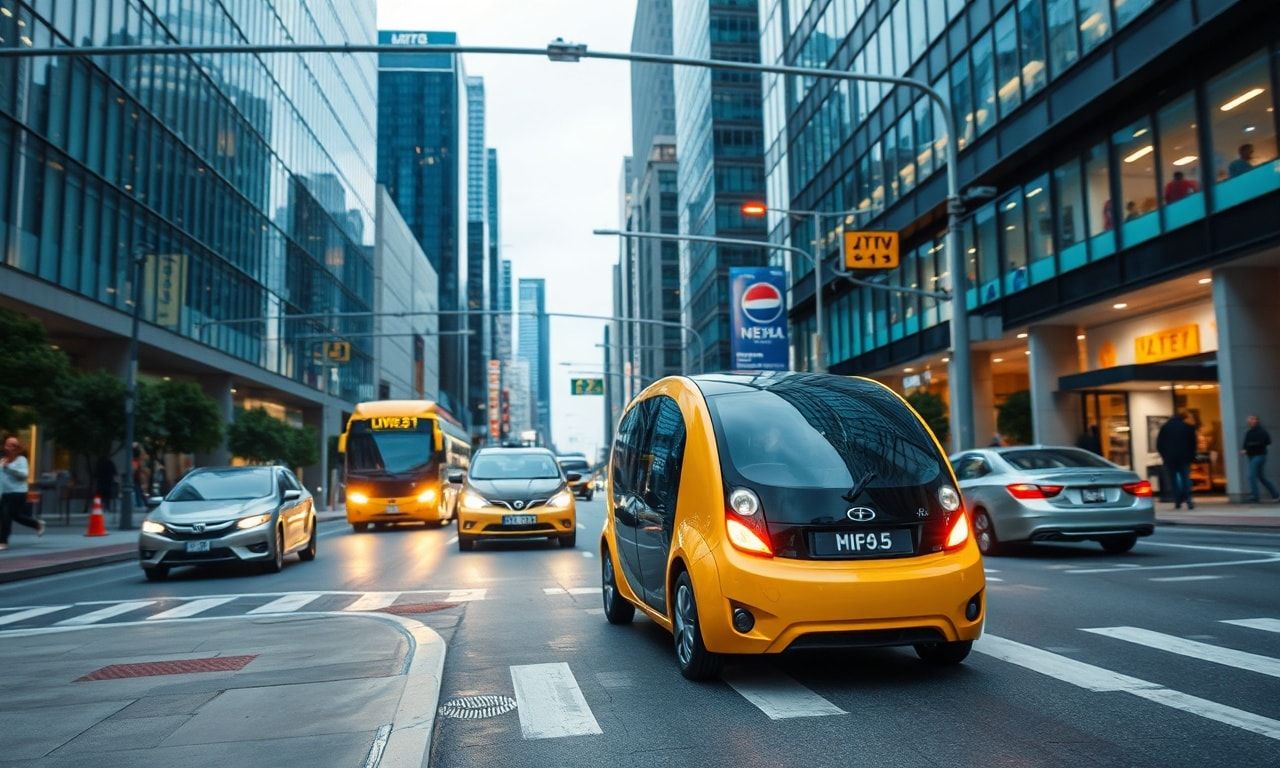
The Evolution of Urban Mobility
Urban mobility has undergone a significant transformation over the past few decades, driven by technological advancements and a growing need for sustainable, efficient, and accessible transportation solutions. From the invention of the automobile to the rise of electric vehicles and autonomous driving, technology has consistently reshaped how we navigate our cities. Today, we stand on the brink of another revolution, one that promises to make urban mobility smarter, greener, and more inclusive than ever before.
The Role of Artificial Intelligence in Urban Mobility
Artificial Intelligence (AI) is at the forefront of this transformation. AI-powered systems are being integrated into various aspects of urban mobility, from traffic management to public transportation scheduling. For instance, AI algorithms can analyze real-time traffic data to optimize signal timings, reducing congestion and improving travel times. Additionally, AI can enhance the efficiency of public transportation by predicting passenger demand and adjusting schedules accordingly. This not only improves the overall user experience but also contributes to a more sustainable urban environment by reducing idle time and emissions.
Moreover, AI is playing a crucial role in the development of autonomous vehicles. Self-driving cars, buses, and even drones are being tested in various cities around the world. These vehicles rely on advanced AI systems to navigate complex urban landscapes, avoid obstacles, and make real-time decisions. The integration of autonomous vehicles into our transportation networks has the potential to revolutionize urban mobility, making it safer, more efficient, and more accessible for all.
The Impact of AI on Public Transportation
Public transportation is a critical component of urban mobility, and AI is set to enhance its efficiency and reliability. AI-powered systems can analyze vast amounts of data from various sources, including sensors, cameras, and mobile devices, to provide real-time updates on bus and train schedules. This information can be used to optimize routes, reduce wait times, and improve the overall passenger experience. For example, AI can predict the arrival times of buses and trains with a high degree of accuracy, allowing passengers to plan their journeys more effectively.
Furthermore, AI can help identify and address issues such as overcrowding and delays. By analyzing passenger data, AI systems can identify peak travel times and adjust schedules to accommodate higher demand. This not only improves the efficiency of public transportation but also enhances the overall quality of life for urban residents. For the latest updates on public transportation schedules, you can refer to resources like the London transport schedule update.
The Rise of Electric Vehicles
Electric vehicles (EVs) are another key component of the future of urban mobility. As concerns about climate change and air pollution continue to grow, EVs offer a cleaner and more sustainable alternative to traditional gasoline-powered vehicles. Advances in battery technology have made EVs more affordable and accessible, and many cities are investing in the infrastructure needed to support their widespread adoption.
One of the main challenges facing the widespread adoption of EVs is the need for a robust charging infrastructure. To address this, many cities are installing public charging stations and offering incentives for residents to install home charging systems. Additionally, advancements in battery technology are increasing the range and efficiency of EVs, making them a more viable option for urban residents.
The Role of Smart Cities
Smart cities are at the heart of the future of urban mobility. By integrating advanced technologies such as AI, IoT (Internet of Things), and big data analytics, smart cities can create more efficient, sustainable, and livable urban environments. Smart cities use a network of sensors and data analytics to monitor and manage various aspects of urban life, including transportation, energy consumption, and waste management.
In the context of urban mobility, smart cities can use real-time data to optimize traffic flow, reduce congestion, and improve the overall efficiency of the transportation network. For example, smart traffic lights can adjust signal timings based on real-time traffic data, reducing wait times and improving travel times. Additionally, smart cities can use data analytics to identify areas where infrastructure improvements are needed, such as the installation of new bike lanes or pedestrian crossings.
The Future of Urban Mobility
The future of urban mobility is bright, with technological advancements paving the way for smarter, greener, and more inclusive cities. AI, electric vehicles, and smart city initiatives are just a few of the innovations that are reshaping how we navigate our urban landscapes. As these technologies continue to evolve, we can expect to see even greater improvements in the efficiency, sustainability, and accessibility of urban mobility.
However, the successful implementation of these technologies will require collaboration and innovation from various stakeholders, including governments, private companies, and urban residents. By working together, we can create cities that are not only more efficient and sustainable but also more livable and inclusive for all.
To enhance your online retail strategies with cutting-edge tech, explore our insights in e-commerce success strategies.
As technology continues to shape our lives, it’s fascinating to see its impact on wellness too; delve into innovative massage therapies and their tech-driven advancements.
As tech enthusiasts, it’s crucial to understand how financial literacy intersects with our digital world; delve into smart money management tips to secure your tech-driven future.