The Digital Transformation of Agriculture
The agricultural sector, often perceived as traditional and slow to change, is undergoing a significant transformation driven by technological advancements. From precision farming to data analytics, technology is revolutionizing how we cultivate, harvest, and distribute food. This shift is not only improving efficiency and productivity but also addressing critical challenges such as climate change and food security.
Precision Farming: The Role of Technology
Precision farming is at the forefront of this agricultural revolution. By leveraging technologies like GPS, sensors, and drones, farmers can monitor and manage their fields with unprecedented accuracy. These tools enable real-time data collection on soil health, moisture levels, and crop conditions, allowing for targeted interventions that optimize resource use and minimize waste. The integration of artificial intelligence (AI) and machine learning further enhances these capabilities, providing predictive insights that help farmers make informed decisions.
For instance, AI algorithms can analyze satellite imagery and weather data to predict crop yields and identify potential pest outbreaks. This proactive approach not only saves time and resources but also ensures that farmers can take timely action to protect their crops. Additionally, the use of autonomous tractors and harvesters equipped with advanced sensors and AI-driven navigation systems is streamlining the farming process, reducing labor costs, and increasing overall efficiency.
The Impact of IoT in Agriculture
The Internet of Things (IoT) is another critical technology driving innovation in agriculture. IoT devices, such as soil sensors and weather stations, provide continuous monitoring of environmental conditions, enabling farmers to make data-driven decisions. These devices are often connected to cloud-based platforms, where data is analyzed and insights are generated. This real-time information allows farmers to adjust irrigation schedules, apply fertilizers more precisely, and manage livestock more effectively.
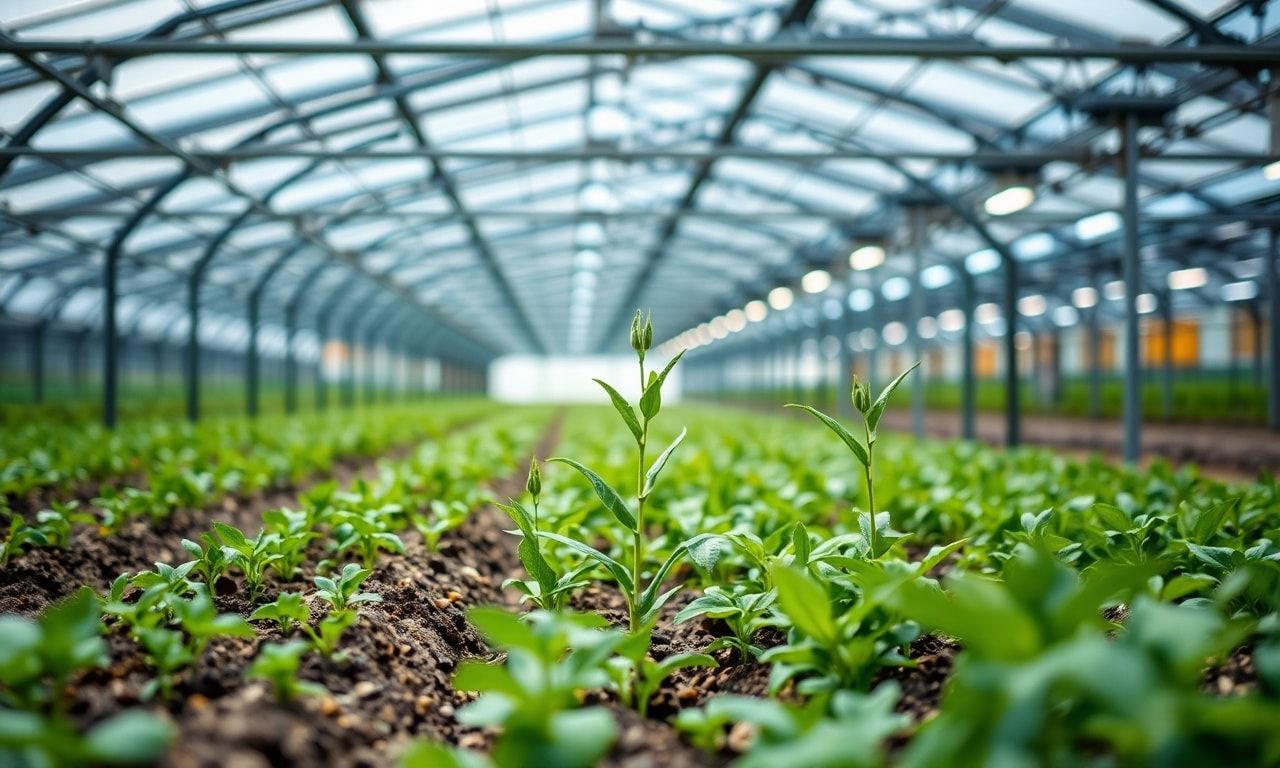
Moreover, IoT-enabled smart greenhouses are revolutionizing the way crops are grown. These greenhouses use sensors to monitor temperature, humidity, and light levels, automatically adjusting these parameters to create optimal growing conditions. This level of control not only improves crop yields but also extends the growing season, allowing farmers to produce crops year-round. The integration of IoT with other technologies, such as AI and robotics, is creating a new paradigm in agriculture that is more efficient, sustainable, and resilient.
Cybersecurity in Agriculture
As agriculture becomes increasingly digitized, the need for robust cybersecurity measures becomes paramount. The reliance on connected devices and data-driven systems exposes the agricultural sector to cyber threats, including data breaches, malware attacks, and system disruptions. Protecting these systems is crucial to ensuring the continuity and integrity of agricultural operations.
Implementing strong cybersecurity protocols, such as encryption, multi-factor authentication, and regular software updates, is essential for safeguarding agricultural data and systems. Farmers and agricultural businesses must also invest in cybersecurity training for their employees to ensure that they are aware of potential threats and know how to respond to them. Collaboration with cybersecurity experts and leveraging advanced security solutions can further enhance the protection of agricultural systems.
For the latest updates and insights on how technology is transforming the agricultural sector, you can visit tarım sektörü güncel haberleri. This resource provides valuable information on the latest trends, innovations, and developments in the field, helping farmers and agricultural professionals stay informed and ahead of the curve.
The Future of Agricultural Technology
The future of agricultural technology is bright, with ongoing advancements in AI, robotics, and biotechnology promising to further revolutionize the sector. For example, AI-powered drones and robots are being developed to perform tasks such as planting, weeding, and harvesting, reducing the need for manual labor and increasing efficiency. Biotechnology is also playing a crucial role in developing genetically modified crops that are more resistant to pests, diseases, and harsh environmental conditions.
Additionally, the integration of blockchain technology in agriculture is enhancing supply chain transparency and traceability. By creating a decentralized and immutable ledger of transactions, blockchain ensures that food products can be tracked from farm to table, improving food safety and quality. This technology also enables farmers to receive fair compensation for their produce by eliminating intermediaries and reducing fraud.
Conclusion
The intersection of technology and agriculture is reshaping the future of farming, making it more efficient, sustainable, and resilient. From precision farming and IoT to AI and cybersecurity, these technological advancements are empowering farmers to overcome challenges and meet the growing demand for food. As we continue to innovate and integrate new technologies, the agricultural sector will undoubtedly play a pivotal role in addressing global food security and sustainability challenges.
To understand the broader economic implications of technological advancements, consider exploring how agricultural markets influence global economy and the role of innovation within it.
Discover how AI and software innovations are transforming farming with our feature on tech-driven agriculture advancements.
As technology continues to reshape industries, our latest feature, cutting-edge farming innovations, delves into the transformative potential of AI and IoT in agriculture.