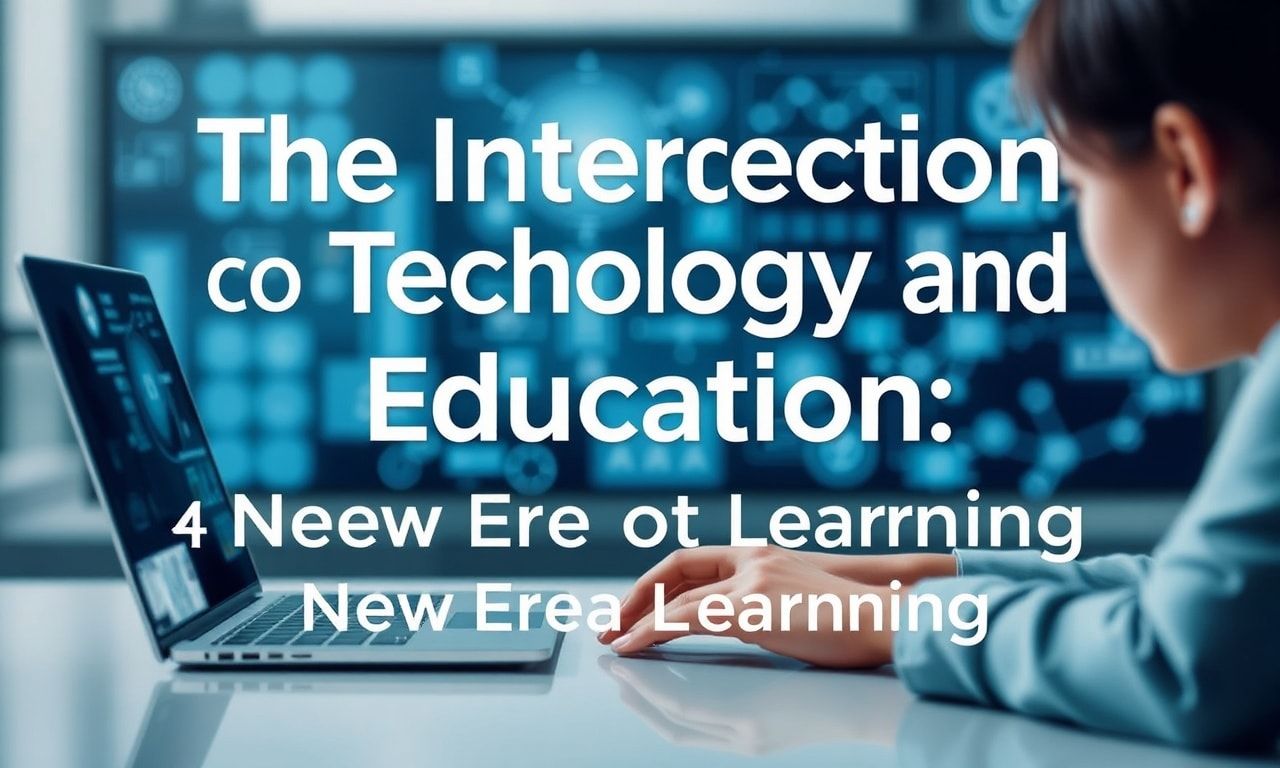
The Evolution of Educational Technology
The landscape of education has been profoundly transformed by technological advancements. From the introduction of computers in classrooms to the advent of artificial intelligence (AI) and virtual reality (VR), technology has revolutionized the way we learn and teach. This article explores the latest innovations in educational technology, their impact on learning outcomes, and the future of tech-driven education.
The Role of AI in Personalized Learning
Artificial intelligence is at the forefront of this educational revolution. AI-driven platforms can analyze vast amounts of data to tailor learning experiences to individual students’ needs. These systems can identify knowledge gaps, adapt to learning paces, and provide personalized feedback, making education more effective and engaging. For instance, AI tutors can offer 24/7 support, helping students grasp complex concepts at their own pace.
Moreover, AI can automate administrative tasks, freeing up teachers’ time to focus on more critical aspects of education. From grading assignments to managing student records, AI can handle routine tasks efficiently, allowing educators to dedicate more time to mentoring and interactive teaching.
The Impact of VR and AR on Immersive Learning
Virtual reality (VR) and augmented reality (AR) are transforming the way students experience education. These technologies provide immersive learning environments that can simulate real-world scenarios, making abstract concepts more tangible. For example, medical students can practice surgeries in a risk-free VR environment, while history students can take virtual tours of ancient civilizations.
AR, on the other hand, overlays digital information onto the real world, enhancing the learning experience. Students can use AR apps to explore the solar system, dissect virtual frogs, or even interact with historical artifacts. These technologies not only make learning more engaging but also cater to different learning styles, ensuring that students can grasp complex ideas more effectively.
The Importance of Cybersecurity in Education
As educational institutions increasingly rely on digital platforms, the need for robust cybersecurity measures becomes paramount. Cyber threats such as data breaches, phishing attacks, and ransomware can compromise sensitive student and institutional data. Therefore, it is crucial for educational institutions to invest in advanced cybersecurity solutions to protect their digital infrastructure.
Implementing multi-factor authentication, encrypting sensitive data, and conducting regular security audits are some of the steps that can enhance cybersecurity in education. Additionally, educating students and staff about cybersecurity best practices can help create a culture of security awareness, reducing the risk of cyber incidents.
The Future of Tech-Driven Education
The future of education is likely to be even more technology-driven. Emerging technologies such as blockchain, Internet of Things (IoT), and quantum computing are poised to further revolutionize the educational landscape. Blockchain can be used to create secure and transparent academic records, while IoT can enable smart classrooms that adapt to students’ needs in real-time.
Quantum computing, although still in its infancy, has the potential to solve complex problems that are currently beyond the reach of classical computers. This could open up new avenues for research and innovation in education. As these technologies continue to evolve, they will undoubtedly shape the future of learning, making it more accessible, personalized, and effective.
Policy Changes and Educational Technology
Government policies play a crucial role in shaping the adoption of educational technology. For instance, the Hempstead education policy changes have been instrumental in promoting the integration of technology in classrooms. These policies often provide funding, resources, and guidelines for schools to adopt new technologies, ensuring that students have access to the latest educational tools.
By aligning educational policies with technological advancements, governments can create an environment that fosters innovation and improves learning outcomes. This collaboration between policymakers, educators, and technologists is essential for driving the future of education forward.
Conclusion
The intersection of technology and education is paving the way for a new era of learning. From AI-driven personalized learning to immersive VR and AR experiences, technology is transforming the educational landscape. As we continue to embrace these innovations, it is crucial to address the challenges they present, such as cybersecurity risks and the need for policy support. By doing so, we can create a future where education is more accessible, engaging, and effective for all.
As technology continues to reshape our world, understanding how it’s transforming education is crucial; dive into digital learning’s evolution to see how software and AI are revolutionizing the classroom.
Innovations in education technology are reshaping learning environments worldwide; discover how Turkey’s new educational directions are leveraging cutting-edge approaches for enhanced student outcomes.
In the fast-paced tech industry, understanding the connection between mental well-being and career growth is crucial; discover how to achieve a balanced approach with our guide on mental health and career success.