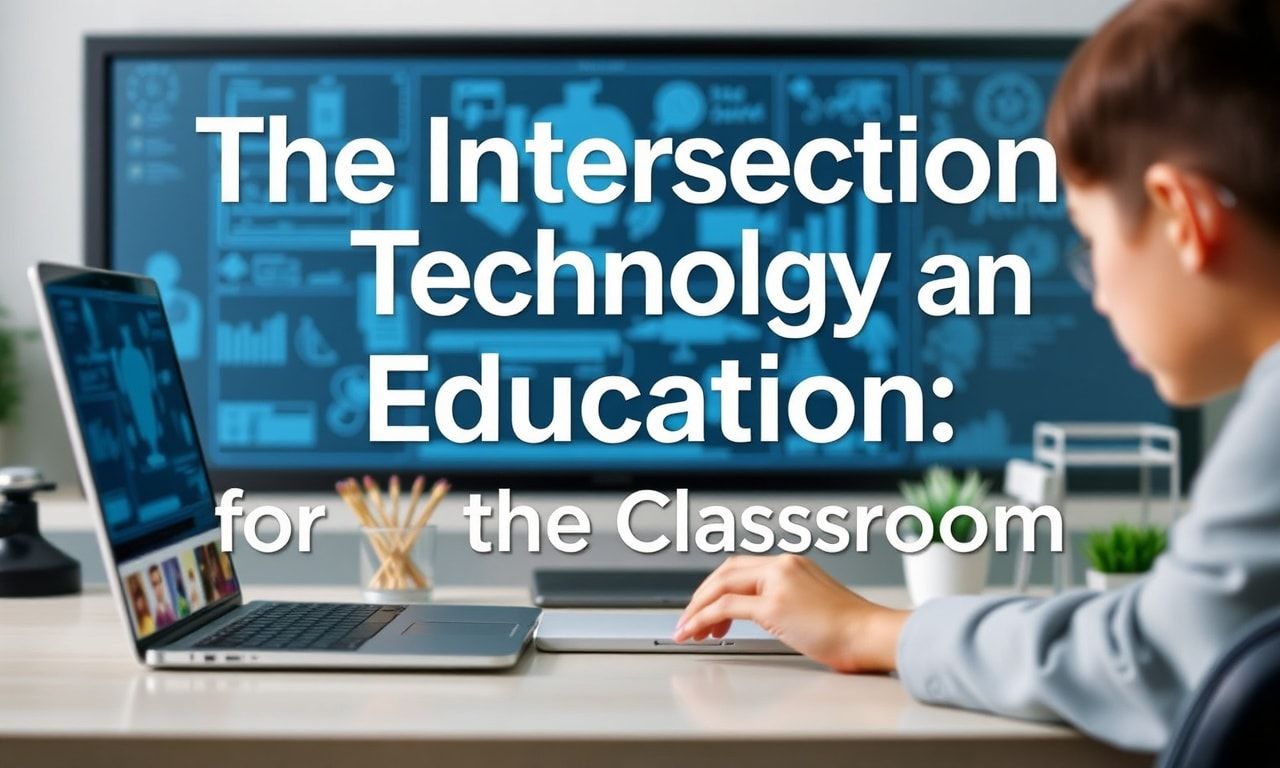
The Digital Transformation of Education
The educational landscape is undergoing a significant transformation, driven by rapid advancements in technology. From interactive whiteboards to virtual reality (VR) experiences, technology is reshaping how students learn and teachers instruct. This shift is not just about integrating new tools but also about creating more engaging, inclusive, and personalized learning environments. The goal is to leverage technology to enhance educational outcomes and prepare students for a future where digital literacy is paramount.
Interactive Learning Tools
One of the most notable innovations in educational technology is the rise of interactive learning tools. These tools go beyond traditional textbooks and lectures, offering dynamic and immersive experiences. For instance, interactive simulations allow students to conduct virtual experiments, making complex scientific concepts more accessible and engaging. Similarly, educational apps and software provide personalized learning paths, adapting to the individual needs and pacing of each student. These tools not only make learning more enjoyable but also help students retain information more effectively.
The Role of AI in Education
Artificial Intelligence (AI) is another game-changer in the educational sector. AI-powered platforms can analyze vast amounts of data to identify learning patterns and predict student performance. This enables educators to intervene early and provide targeted support to students who may be struggling. AI chatbots can also offer instant feedback and assistance, making learning more interactive and responsive. Additionally, AI can automate administrative tasks, freeing up teachers’ time to focus on more meaningful interactions with their students.
Cybersecurity in Educational Institutions
As educational institutions increasingly rely on digital platforms, the importance of cybersecurity cannot be overstated. Protecting sensitive student data and ensuring the integrity of educational systems is crucial. Schools and universities must implement robust cybersecurity measures, including firewalls, encryption, and regular security audits. Educating students and staff about cybersecurity best practices is also essential. By fostering a culture of security awareness, educational institutions can safeguard their digital infrastructure and protect the privacy of their stakeholders.
In addition to academic learning, technology also plays a role in extracurricular activities. For example, platforms like kids movie streaming for school age provide educational content that can be used to supplement classroom learning. These resources offer a wealth of information and entertainment, making them valuable tools for both teachers and parents.
The Future of Educational Technology
The future of educational technology is bright, with emerging technologies like augmented reality (AR), blockchain, and the Internet of Things (IoT) poised to revolutionize the sector. AR can create immersive learning experiences, allowing students to explore historical events or scientific phenomena in a virtual environment. Blockchain can enhance the security and transparency of educational records, while IoT can enable smart classrooms that adapt to the needs of students in real-time. As these technologies continue to evolve, they will open up new possibilities for education, making it more accessible, engaging, and effective.
Challenges and Considerations
While the benefits of technology in education are numerous, there are also challenges to consider. One of the main concerns is the digital divide, where students from disadvantaged backgrounds may not have access to the same technological resources as their peers. Addressing this issue requires concerted efforts from policymakers, educators, and technology companies to ensure equitable access to digital learning tools. Additionally, there are concerns about screen time and the potential for technology to distract students from their studies. Balancing the use of technology with traditional learning methods is essential to ensure a well-rounded education.
In conclusion, the intersection of technology and education offers immense potential to transform the way we learn and teach. By embracing innovative tools and strategies, educational institutions can create more dynamic and inclusive learning environments. However, it is crucial to address the challenges and ensure that technology is used responsibly and effectively. As we move forward, the collaboration between educators, technologists, and policymakers will be key to unlocking the full potential of educational technology.