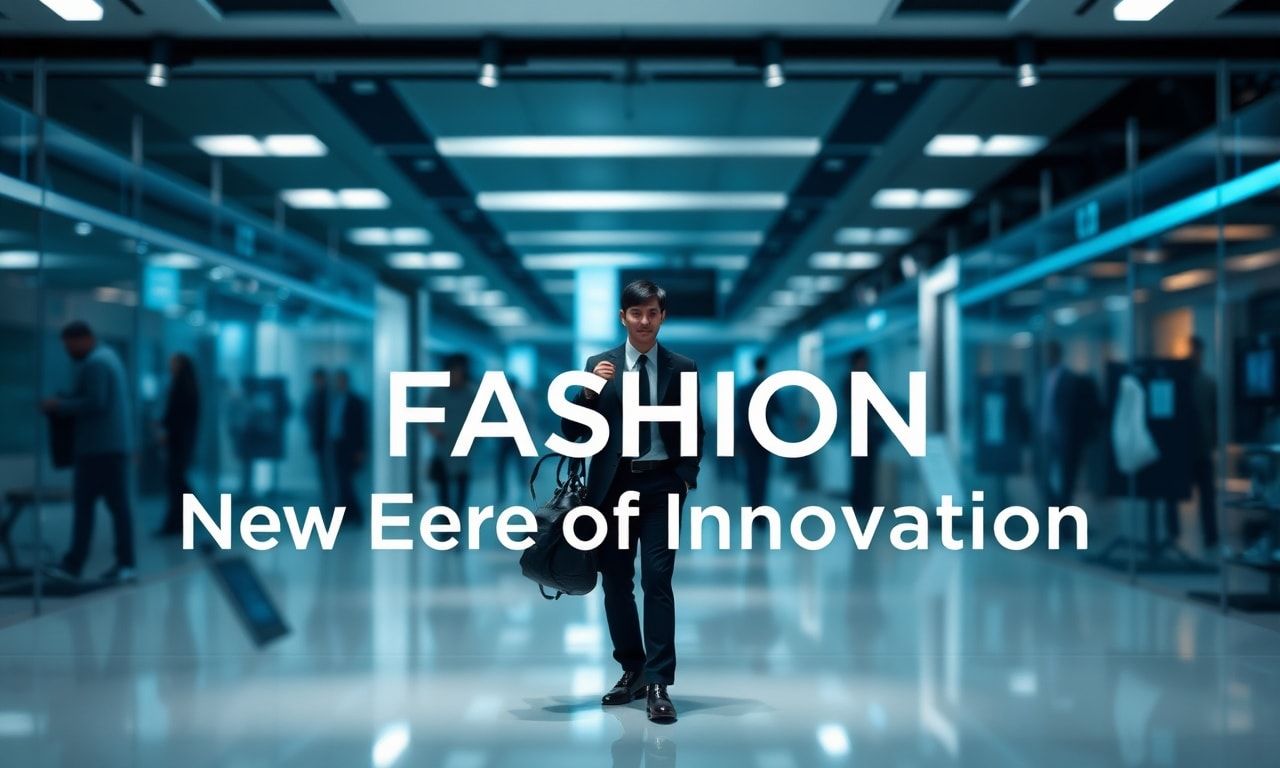
The Convergence of Tech and Fashion
The worlds of technology and fashion are colliding in unprecedented ways, giving rise to a new era of innovation. This convergence is not just about aesthetics; it’s about functionality, sustainability, and personalization. From smart fabrics to AI-driven design, technology is transforming the way we think about clothing and accessories. This article explores the latest trends and innovations at the intersection of tech and fashion.
Smart Fabrics and Wearable Technology
Smart fabrics are revolutionizing the fashion industry by integrating technology directly into the textiles we wear. These fabrics can monitor vital signs, regulate temperature, and even charge devices. Wearable technology, such as smartwatches and fitness trackers, has become mainstream, offering health monitoring and connectivity. The integration of sensors and microchips into fabrics is paving the way for clothing that can interact with our environment and provide real-time data.
For instance, companies are developing fabrics that can change color based on temperature or mood, providing a dynamic and interactive experience. These advancements are not only enhancing the functionality of clothing but also opening up new avenues for self-expression and personalization. As technology continues to evolve, we can expect to see even more innovative applications of smart fabrics in the fashion industry.
The Role of AI in Fashion Design
Artificial Intelligence (AI) is playing a significant role in the design and production of fashion items. AI algorithms can analyze trends, predict consumer preferences, and even create designs. This technology is being used by designers to streamline the creative process and produce unique, personalized pieces. AI-driven design tools can generate countless variations of a design, allowing designers to explore new ideas and push the boundaries of creativity.
Moreover, AI is being used to optimize the supply chain and reduce waste in the fashion industry. By analyzing data from various sources, AI can predict demand and optimize production, reducing the environmental impact of fashion. This not only benefits the planet but also helps fashion brands stay competitive in a rapidly changing market.
Sustainability and Technology
Sustainability is a growing concern in the fashion industry, and technology is playing a crucial role in addressing this issue. From recycled materials to 3D printing, technology is helping to create more sustainable and eco-friendly fashion. 3D printing, for example, allows for the creation of complex designs with minimal waste. This technology is being used to produce everything from accessories to entire garments, reducing the need for traditional manufacturing processes.
Additionally, technology is being used to create more sustainable materials. For instance, companies are developing fabrics made from recycled plastics and other eco-friendly materials. These innovations are not only reducing the environmental impact of fashion but also opening up new possibilities for designers. As consumers become more conscious of their environmental impact, the demand for sustainable fashion is expected to grow, driving further innovation in this area.
The Future of Fashion Retail
The retail landscape is also being transformed by technology. Virtual reality (VR) and augmented reality (AR) are being used to create immersive shopping experiences. Consumers can try on clothes virtually, see how they look in different outfits, and even interact with virtual models. This technology is not only enhancing the shopping experience but also reducing the need for physical stores, making fashion more accessible to a global audience.
Furthermore, technology is being used to personalize the shopping experience. AI algorithms can analyze a consumer’s preferences and recommend products tailored to their tastes. This personalized approach is not only improving customer satisfaction but also driving sales and loyalty. As technology continues to evolve, we can expect to see even more innovative applications in the retail sector.
Cybersecurity in Fashion
As technology becomes more integrated into the fashion industry, the need for cybersecurity becomes increasingly important. With the rise of wearable technology and smart fabrics, the risk of data breaches and cyber attacks is growing. Fashion brands must prioritize cybersecurity to protect consumer data and maintain trust. This includes implementing robust security measures, such as encryption and multi-factor authentication, to safeguard sensitive information.
For example, the website ঢাকায় আজকের ফ্যাশন আপডেট highlights the importance of staying updated with the latest trends and innovations in the fashion industry. By staying informed, fashion brands can better understand the evolving landscape and implement the necessary security measures to protect their customers.
In conclusion, the intersection of technology and fashion is a dynamic and rapidly evolving field. From smart fabrics to AI-driven design, technology is transforming the way we think about clothing and accessories. As the industry continues to innovate, we can expect to see even more exciting developments in the years to come. By embracing these advancements, fashion brands can stay competitive and meet the evolving needs of consumers.
As cyber threats evolve, understanding the role of AI in safeguarding our digital landscape is crucial; delve into AI’s cybersecurity advancements to stay informed.
As technology continues to reshape our world, understanding its impact on sociopolitical awareness becomes crucial; delve into the evolving role of tech in fostering informed citizenship.
To stay updated with the latest advancements, delve into current tech trends and breakthroughs shaping the industry today.