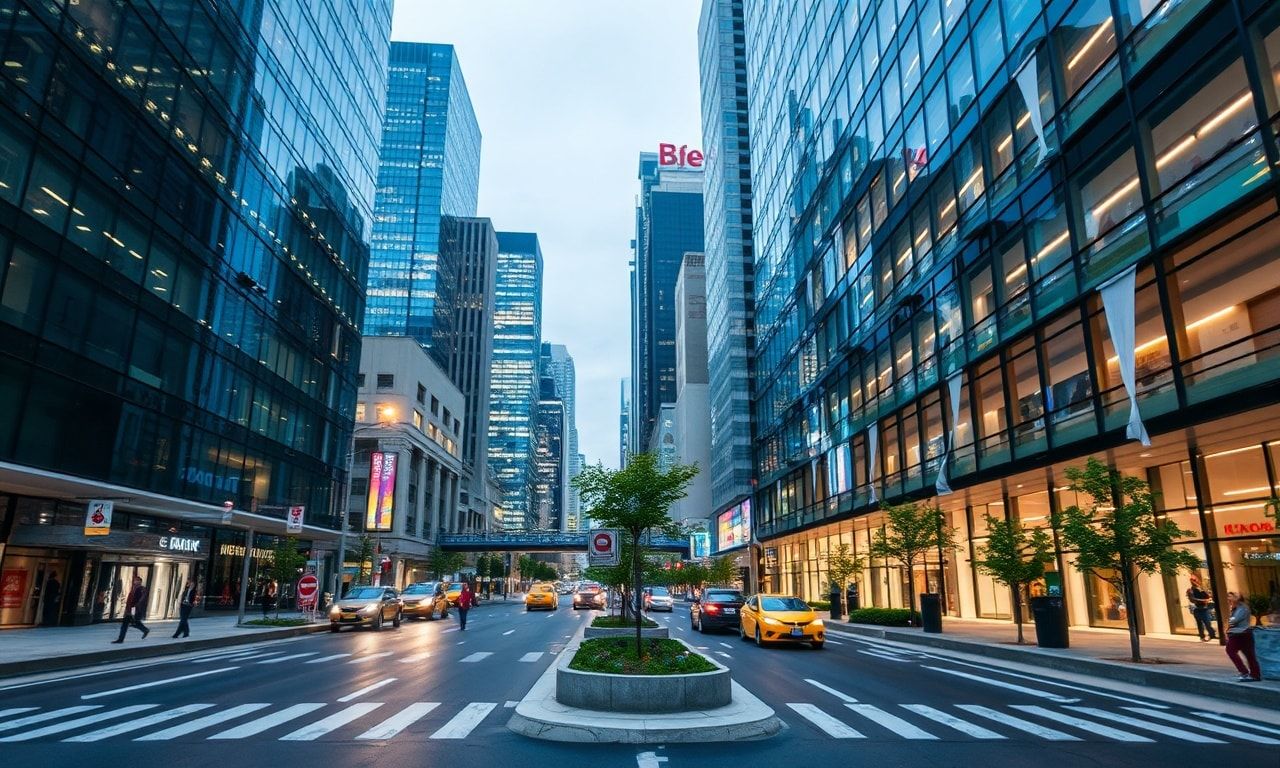
The Evolution of Smart Cities
The concept of smart cities has been gaining traction over the past decade, driven by rapid advancements in technology and the increasing need for sustainable urban development. Smart cities leverage a range of technologies, including the Internet of Things (IoT), artificial intelligence (AI), and big data analytics, to create more efficient, livable, and sustainable urban environments. These technologies enable cities to optimize resource management, enhance public services, and improve the overall quality of life for residents.
One of the key components of a smart city is the integration of smart infrastructure. This includes smart grids for energy management, intelligent transportation systems for traffic optimization, and advanced water management systems for efficient water usage. By leveraging these technologies, cities can reduce their environmental footprint, improve public safety, and enhance the overall urban experience.
The Role of IoT in Urban Design
The Internet of Things (IoT) plays a crucial role in the development of smart cities. IoT devices, such as sensors and smart meters, collect vast amounts of data that can be used to monitor and manage various aspects of urban life. For example, smart sensors can be used to monitor air quality, traffic patterns, and energy consumption, providing valuable insights that can be used to optimize city operations.
In addition to monitoring and management, IoT devices can also be used to enhance public services. For instance, smart street lighting systems can adjust brightness based on real-time data, reducing energy consumption and improving public safety. Similarly, smart waste management systems can optimize waste collection routes, reducing costs and improving efficiency.
Case Study: Austin, Texas
Austin, Texas, is a prime example of a city that has embraced smart technology to enhance urban living. The city has implemented a range of smart initiatives, including smart traffic management systems, smart parking solutions, and smart water management systems. These initiatives have not only improved the efficiency of city operations but have also enhanced the overall quality of life for residents. For more insights into Austin’s architectural and design trends, you can visit Austin Texas architecture and design trends.
The Impact of AI on Urban Planning
Artificial intelligence (AI) is another key technology that is transforming urban planning and design. AI algorithms can analyze vast amounts of data to identify patterns and trends that can be used to optimize city planning. For example, AI can be used to predict traffic patterns, identify areas of high crime, and optimize public transportation routes.
AI can also be used to enhance public safety. For instance, AI-powered surveillance systems can detect suspicious activities and alert authorities in real-time. Similarly, AI-powered predictive analytics can be used to identify potential hazards, such as fires or floods, and take preventive measures to mitigate risks.
The Future of Smart Cities
The future of smart cities looks promising, with rapid advancements in technology and increasing awareness of the need for sustainable urban development. As cities continue to grow and evolve, the integration of smart technologies will become increasingly important. This will not only enhance the efficiency of city operations but also improve the overall quality of life for residents.
In conclusion, the intersection of technology and urban design is transforming the way we live and work. By leveraging technologies such as IoT, AI, and big data analytics, cities can create more efficient, livable, and sustainable urban environments. As we look to the future, the integration of smart technologies will continue to play a crucial role in shaping the cities of tomorrow.