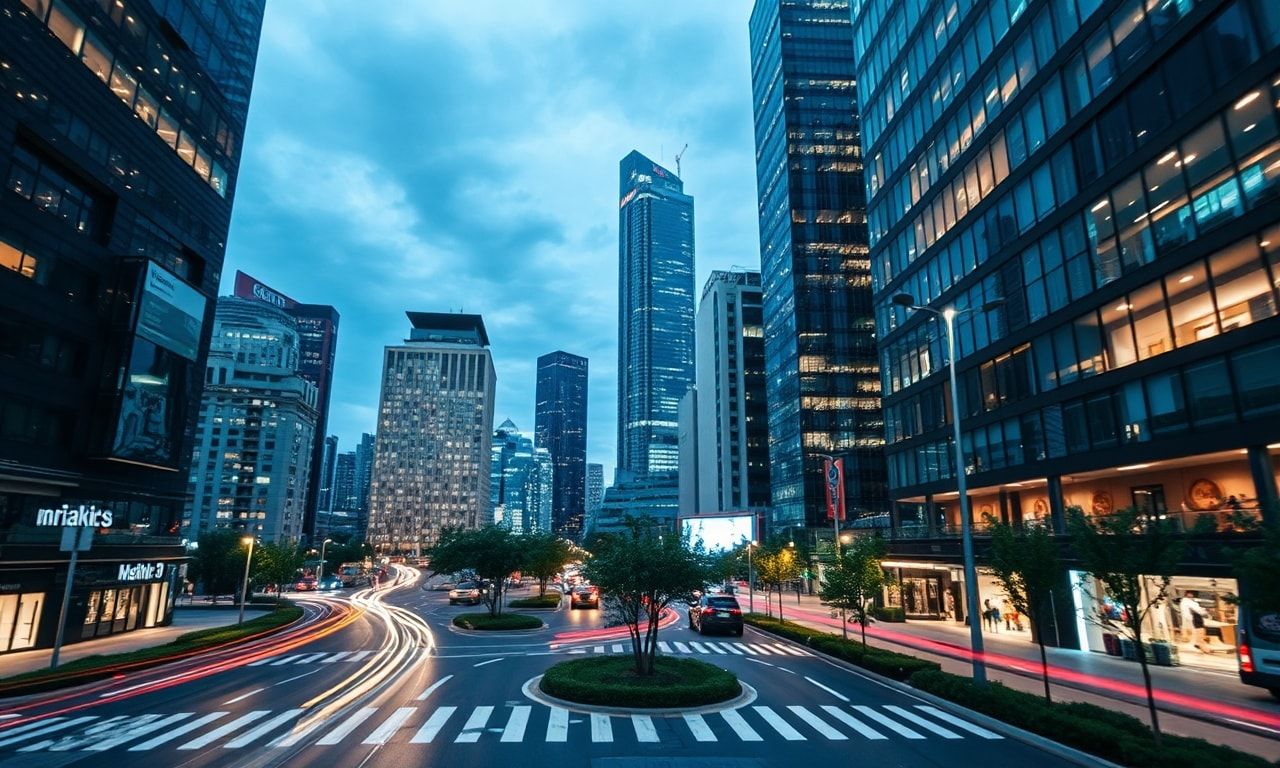
The Rise of Smart Cities
The rapid advancement of technology has paved the way for the development of smart cities, where urban planning and infrastructure are enhanced through the integration of information and communication technologies (ICT). These cities leverage data and technology to improve the quality of life for their residents, optimize resource management, and foster sustainable growth. From intelligent transportation systems to smart grids and advanced public services, the transformation of urban landscapes is driven by innovative technologies.
Technological Innovations in Urban Planning
Urban planners and developers are increasingly relying on cutting-edge technologies to design and manage city spaces. Geographic Information Systems (GIS), Building Information Modeling (BIM), and Internet of Things (IoT) devices are among the tools that enable precise data collection and analysis. These technologies help in identifying trends, predicting future needs, and making informed decisions about urban development. For instance, IoT sensors can monitor traffic patterns, air quality, and energy consumption, providing valuable insights for city planners.
Data-Driven Decision Making
Data is at the heart of smart city initiatives. By collecting and analyzing data from various sources, city officials can gain a comprehensive understanding of urban dynamics. This data-driven approach allows for the optimization of public services, such as waste management, public transportation, and emergency response systems. For example, predictive analytics can be used to anticipate traffic congestion and adjust traffic light timings in real-time, reducing travel time and improving overall efficiency.
The Role of Artificial Intelligence
Artificial Intelligence (AI) plays a pivotal role in the development of smart cities. AI algorithms can process vast amounts of data to identify patterns and make predictions. Machine learning models can be trained to recognize anomalies in city operations, such as detecting leaks in water pipelines or identifying potential security threats. Additionally, AI-powered chatbots and virtual assistants can enhance citizen engagement by providing instant responses to queries and facilitating access to city services.
Enhancing Public Services
AI and other advanced technologies are transforming public services in smart cities. For example, AI-driven surveillance systems can monitor public spaces for suspicious activities and alert authorities in real-time. Similarly, AI-powered predictive maintenance systems can identify potential issues in city infrastructure before they escalate, reducing downtime and maintenance costs. These innovations not only improve the efficiency of public services but also enhance the overall quality of life for residents.
Real Estate Trends in Smart Cities
As smart cities continue to evolve, real estate trends are also shifting to accommodate the growing demand for technologically advanced urban spaces. Developers are increasingly incorporating smart home technologies, such as automated lighting, heating, and security systems, into residential and commercial properties. These features not only enhance convenience and security but also contribute to energy efficiency and sustainability. For those interested in the latest trends and investment opportunities in urban real estate, resources like şehir merkezinde en popüler mahalleler ve yatırım trendleri analizleri provide valuable insights and analysis.
Sustainable and Green Buildings
Sustainability is a key focus in smart city development. Green buildings, which are designed to minimize environmental impact, are becoming increasingly popular. These buildings incorporate energy-efficient materials, renewable energy sources, and advanced waste management systems. By reducing energy consumption and carbon emissions, green buildings contribute to a healthier and more sustainable urban environment. Additionally, smart city initiatives often include the development of green spaces and urban parks, which enhance the aesthetic appeal and livability of cities.
The Future of Smart Cities
The future of smart cities is bright, with ongoing advancements in technology set to revolutionize urban living. Emerging technologies such as 5G networks, autonomous vehicles, and advanced robotics will further enhance the capabilities of smart cities. These innovations will enable faster data transmission, more efficient transportation systems, and automated services that improve the overall quality of life. As cities continue to grow and evolve, the integration of technology will be crucial in addressing the challenges of urbanization and creating sustainable, livable, and efficient urban environments.
In conclusion, the intersection of technology and urban development is transforming the way we live, work, and interact with our cities. Smart cities, powered by advanced technologies, are setting new standards for urban living, offering innovative solutions to age-old problems. As we look to the future, the continued integration of technology in urban planning and development will be essential in creating smarter, more sustainable, and more inclusive cities for all.
To understand how urban development intersects with technology, consider exploring smart cities and quality living, a topic that’s increasingly relevant in tech and AI discussions.
Discover how data analytics is reshaping the real estate industry by diving into tech’s impact on property trends, a comprehensive exploration of the latest innovations.
As technology continues to reshape our urban landscapes, delve into smart cities’ tech advancements and their impact on real estate.