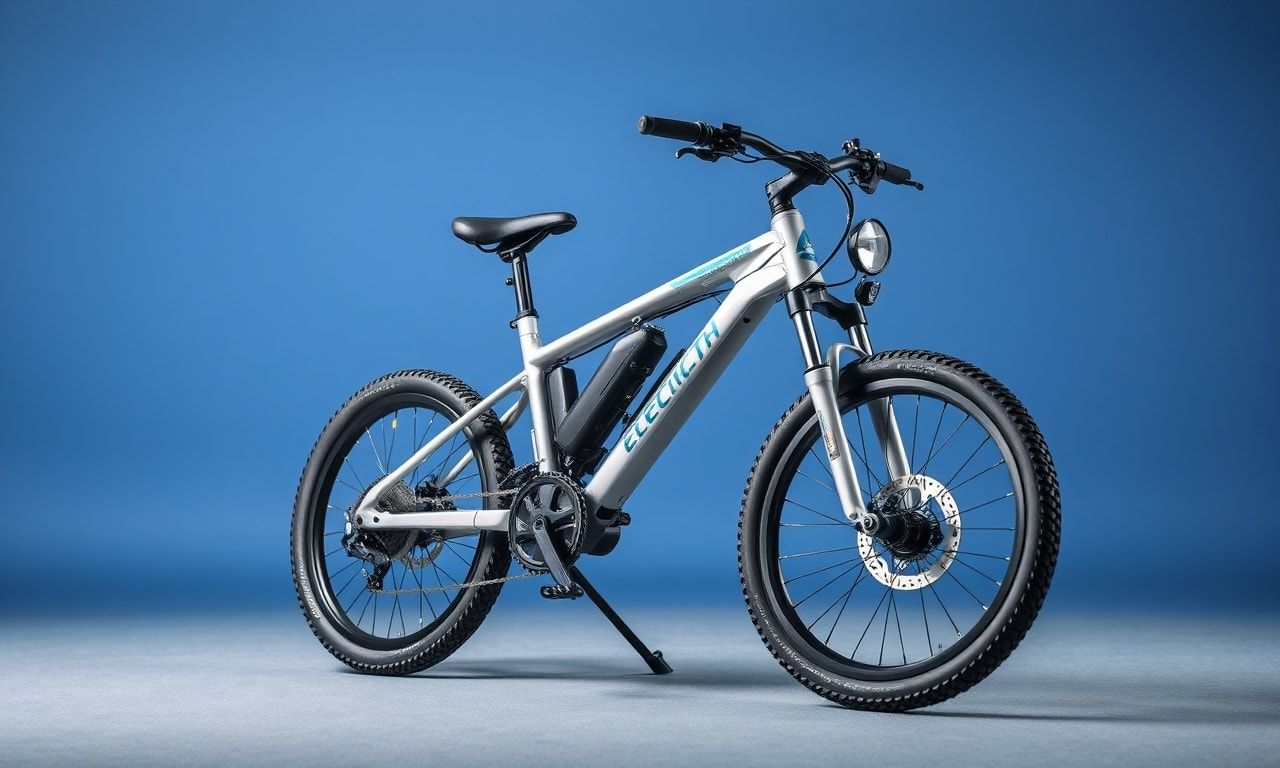
The Evolution of Electric Bikes
The world of transportation is undergoing a significant transformation, and electric bikes are at the forefront of this change. These innovative vehicles combine the convenience of bicycles with the power of electric motors, offering a sustainable and efficient mode of transport. The technology behind electric bikes has evolved rapidly, making them more accessible and appealing to a broader audience. From commuters to enthusiasts, electric bikes are becoming a popular choice for people seeking an eco-friendly and cost-effective way to travel.
The Technology Behind Electric Bikes
Electric bikes, or e-bikes, are equipped with a battery-powered motor that assists the rider’s pedaling. This motor can be integrated into the hub of the wheel or mounted in the center of the frame. The battery, typically rechargeable, provides the necessary power to the motor. Modern e-bikes come with advanced features such as pedal-assist systems, which adjust the level of assistance based on the rider’s pedaling effort, and regenerative braking, which converts kinetic energy into electrical energy to recharge the battery. These technological advancements have significantly enhanced the performance and efficiency of electric bikes.
One of the key components of an electric bike is the controller, which manages the power output from the battery to the motor. Advanced controllers can optimize the power delivery based on various factors such as terrain, speed, and rider input. Additionally, many e-bikes now come with smart features like GPS navigation, Bluetooth connectivity, and mobile app integration. These features allow riders to track their rides, monitor battery levels, and even lock their bikes remotely. The integration of such technologies has made electric bikes not only more functional but also more user-friendly.
Battery Technology and Range
The battery is the heart of an electric bike, and advancements in battery technology have played a crucial role in the popularity of e-bikes. Lithium-ion batteries are the most commonly used due to their high energy density, lightweight nature, and long lifespan. These batteries can be charged quickly and provide a range of up to 50-100 miles on a single charge, depending on the model and usage conditions. The development of more efficient and powerful batteries continues to extend the range and performance of electric bikes, making them a viable option for longer commutes and recreational rides.
The Benefits of Electric Bikes
Electric bikes offer numerous benefits that make them an attractive option for both urban and rural environments. One of the primary advantages is their eco-friendliness. E-bikes produce zero emissions, making them a sustainable alternative to gas-powered vehicles. This not only reduces the carbon footprint but also contributes to cleaner air and a healthier environment. Additionally, electric bikes are cost-effective. They require less maintenance compared to cars and motorcycles, and the cost of electricity to charge the battery is significantly lower than the cost of fuel. This makes e-bikes an economical choice for daily commuting.
Another significant benefit of electric bikes is their health advantages. While the motor provides assistance, riders still engage in physical activity, which can improve cardiovascular health and overall fitness. E-bikes make cycling more accessible to a wider range of people, including those who may find traditional cycling challenging due to age, fitness level, or physical limitations. This inclusivity promotes a more active lifestyle and encourages more people to adopt cycling as a mode of transportation.
Safety and Insurance
As with any vehicle, safety is a crucial consideration for electric bike riders. Many e-bikes come equipped with safety features such as LED lights, reflective materials, and advanced braking systems. However, it is also important for riders to take precautions such as wearing helmets and following traffic rules. Additionally, insuring an electric bike is essential to protect against theft, damage, and liability. When considering insurance options, it is helpful to use tools like elektrikli bisiklet sigorta bedel hesaplama to estimate the cost and find the best coverage for your needs.
The Future of Electric Bikes
The future of electric bikes looks promising, with ongoing advancements in technology and increasing demand for sustainable transportation. Innovations such as lighter and more powerful batteries, improved motor efficiency, and smart connectivity features are expected to enhance the performance and user experience of e-bikes. Additionally, the integration of artificial intelligence and machine learning could lead to more personalized and adaptive riding experiences. As cities around the world continue to invest in bike-friendly infrastructure, the adoption of electric bikes is likely to grow, making them a mainstream mode of transportation.
Challenges and Considerations
Despite the numerous benefits, there are challenges and considerations associated with electric bikes. One of the main challenges is the initial cost, which can be higher than traditional bicycles. However, the long-term savings on fuel and maintenance can offset this initial investment. Another consideration is the availability of charging infrastructure, especially in rural areas. As the popularity of e-bikes continues to rise, it is expected that more charging stations will be installed to support riders. Additionally, regulations and laws regarding e-bikes vary by region, and riders should be aware of local laws to ensure safe and legal riding.
Conclusion
Electric bikes represent a significant technological advancement in the world of transportation. With their eco-friendly nature, cost-effectiveness, and health benefits, e-bikes are becoming an increasingly popular choice for commuters and enthusiasts alike. As technology continues to evolve, the future of electric bikes looks bright, with innovations that will enhance performance, safety, and user experience. By addressing the challenges and considerations, electric bikes have the potential to revolutionize the way we travel, making our cities cleaner, healthier, and more sustainable.