
Understanding aydın sanayi GES ön fizibilite çalışması for tech readers
Explore what aydın sanayi GES ön fizibilite çalışması is, why it matters for technology projects, and how to assess solar energy feasibility with practical step

What is aydın sanayi GES ön fizibilite çalışması and why should technology readers care? It is a preliminary assessment of a solar energy project at an industrial site, focusing on whether a sun-based power system is technically viable and financially sensible. This explainer walks through the core concepts, the data you will need, and the practical checks that make an early study useful for IT, manufacturing, or facility teams.
In practice, the document helps engineers and managers avoid costly missteps by clarifying capacity, site constraints, and potential risks before committing capital. You’ll learn which questions to ask, what measurements to gather, and how to interpret results without getting lost in jargon. The goal is a clear, actionable baseline you can share with stakeholders.
By the end, you’ll see how a feasibility study informs decisions on power reliability, energy costs, and integration with existing systems, with concrete steps you can apply to real projects.
- A feasibility study translates site data into a realistic solar option for an industrial setting, clarifying technical and financial viability.
- It identifies how much energy can be reliably generated, what interconnection steps are needed, and which configurations suit the site.
- The document helps teams compare options, foresee risks, and plan budgets and timelines with concrete data.
- Readers walk away with actionable steps to begin or advance a solar project tied to industrial operations.
Foundations of solar feasibility
Key feasibility questions
Start with the project goals: what energy load must be offset, and what reliability is required for critical processes? Identify the site’s solar access, shading, and climate suitability to estimate potential output. This helps separate theoretical capacity from what you can actually harvest. Gather data on monthly irradiance, panel orientation, and existing electrical infrastructure to frame realistic scenarios. Aydın sanayi GES ön fizibilite çalışması
- Clarify the primary goal (offset energy vs. backup power)
- Map the site’s usable area for panels
- List local grid interconnection steps and approvals
- Draft a rough timeline from design to commissioning
A robust study distinguishes technical viability from financial viability. It analyzes system size, regulatory hurdles, and interconnection requirements that could affect timelines and costs. Early awareness of these factors saves time and reduces surprises as the project moves forward.
A practical approach compares multiple design options, such as fixed-tilt vs. tracking systems, and considers maintenance needs. Include a risk register that notes potential delays from permits or supplier issues. The outcome is a clear view of whether solar makes sense in this setting.
- Define energy offset targets
- Assess site shading and layout
- Estimate system size and output
- Check interconnection and permits
- Plan for maintenance and warranties
Data essentials for modeling
A solid model starts with weather and production data, not guesses. Use historical solar irradiance and temperature data alongside a representative load profile to simulate yearly performance. This yields meaningful estimates of energy yield and system reliability.
Include electrical one-line diagrams and existing utility tariffs to translate production into cost savings. Sensitivity tests show how changes in panel efficiency or downtime affect return on investment. The result is a transparent model you can adjust as assumptions evolve.
Finally, document boundaries: what is in scope (equipment, labor) and what isn’t (land rights, future expansions). A clear scope prevents scope creep and keeps calculations aligned with business questions.
- Historical irradiance data
- Representative load profile
- Tariff and incentive context
- Clear modeling boundaries
How a decision gets shaped
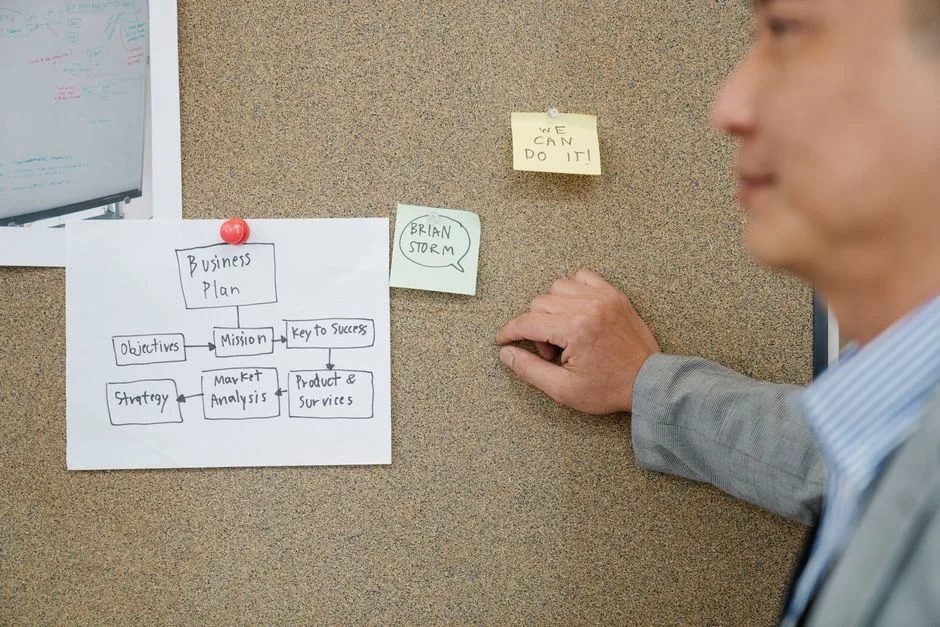
Reading the numbers
Interpreting results means translating yield figures into cost implications. Compare the expected annual savings to the upfront and operating costs to gauge payback potential. The clarity of this translation determines whether the project stays feasible in realistic budgets.
Forecasts should include worst-case, base, and best-case scenarios to show how uncertainty affects profitability. This practice helps leadership weigh risk against potential gains and avoids optimistic biases that skew decisions.
Communicate results with a simple narrative that ties technical metrics to business value. Stakeholders should understand the practical impact on reliability, resilience, and cash flow.
Interconnection and grid risks
The feasibility study must address how the solar system will connect to the existing electrical network. This includes cable routes, transformer capacity, and protection schemes that prevent backfeed issues. Poor integration planning can delay projects or increase costs.
Evaluate grid stability concerns such as voltage fluctuations and potential curtailment. If the site relies on a critical load, verify that the solar installation can provide meaningful supplementary power during outages or peak times.
Document any regulatory or utility-specific constraints that could alter scope or timing. clear expectations about permissions keeps the project on track.
Options and configurations
Panel technologies and layouts
Choose between polycrystalline or monocrystalline panels based on efficiency, space, and budget. Fixed-tilt arrangements work well where space is plentiful, while high-rotation trackers can increase energy yield but add maintenance. The right mix depends on site geometry and long-term operating plans.
Ground-mounted systems offer flexibility but require land use agreements and drainage considerations. Rooftop installations minimize land needs and may leverage existing structures, yet impose weight and access constraints. Each option affects cost, output, and maintenance differently.
A practical choice balances performance with lifecycle costs, considering degradation rates and warranty terms. This helps avoid over-optimistic capacity assumptions that diminish real-world value.
- Monocrystalline vs polycrystalline
- Fixed-tilt vs tracking
- Rooftop vs ground mount
- Maintenance and warranties
| Configuration | Pros | Cons |
|---|---|---|
| Rooftop fixed-tilt | Less space needed; simpler wiring | Limited output; structural constraints |
| Ground-mounted | Higher flexibility; easier maintenance | Land use requirements; higher upfront costs |
| Tracking systems | Maximum energy yield | Higher maintenance; more components |
Financing and incentives
Incentives and financing shapes project economics, but rules vary by region and program. Map available tax credits, subsidies, and favorable tariffs to understand the real cash flow. Do not assume full benefits will materialize without compliance steps.
Consider lease or power purchase agreements where capital outlay is high. The choice affects ownership, risk, and responsibility for maintenance. Evaluate contract terms against anticipated performance and exit options.
Document up-front costs, ongoing expenses, and a decision threshold where the project becomes attractive. Clear financial milestones help teams communicate value to executives.
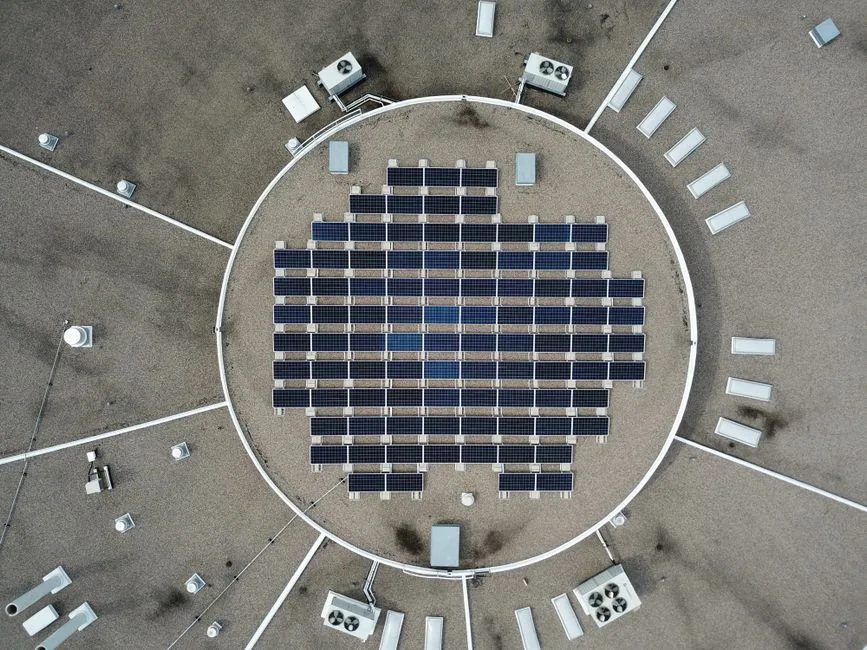
Inaccurate shading analysis can overstate output; re-check with site surveys and drone imagery if needed.
Pitfalls to watch
Common technical risks
Inaccurate shading analysis can overstate output; re-check with site surveys and drone imagery if needed. System downtime and inverter failures erode returns quickly, so specify reliability targets and spare parts plans.
Undersized inverters or mismatched components lead to bottlenecks that reduce energy flow. Ensure equipment compatibility and robust protection schemes to avoid cascading faults.
Do not skip commissioning tests that verify performance under real conditions. Early-stage failures are cheaper to fix than late-stage discoveries.
Process and governance traps
Ambitious schedules invite scope changes and cost overruns. Build a conservative timeline with built-in contingencies and explicit decision gates. Stakeholders should understand when a study ends and a project begins.
Poor data quality undermines trust; use verifiable measurements and preserve a data trail for audits. Establish data governance practices early to maintain credibility.
Overreliance on a single assumption can skew conclusions. Run parallel analyses with different scenarios to brace for uncertainty.
Risk management
Risk framing for solar projects
Begin with a clear risk profile: technical, financial, and regulatory risks shape every decision. Describe how solar equipment performance, weather variability, and permitting timelines interact to influence project timelines. Use concrete scenarios to illustrate likely delays and budget deviations.
Ensure stakeholders agree on risk tolerance early, so mitigation plans align with goals. Document who approves changes as conditions evolve, preventing scope creep and misaligned expectations.
Consider a risk dashboard that tracks exposure by module type, inverter choice, and storage integration. This helps teams prioritize actions before costs escalate.
- Define acceptable loss thresholds
- Map interdependencies across subsystems
- Track risk owners and response times
- Schedule regular risk reviews
- Record lessons learned for future projects
Technical integration
System compatibility and interfaces
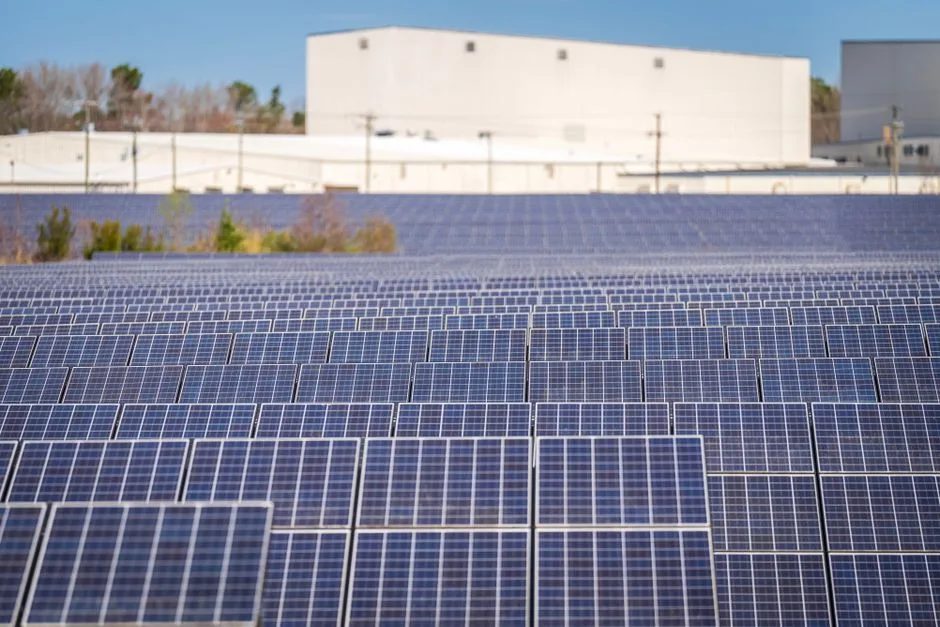
Compatibility between modules, inverters, and mounting systems is essential for predictable performance. Detail voltage and current constraints, creep in wiring, and the need for standards-based communication protocols. Concrete examples help teams avoid common bolt-on issues.
Define interface specifications early, including data channels for monitoring and control. This reduces late-stage rework and simplifies fault diagnosis.
Design for modular upgrades, like easier panel swaps or scalable storage, so future tech fits without major rewiring.
- Standardize wiring colors and conduits
- Use open-architecture monitoring
- Plan for remote firmware updates
- Include fail-safe control paths
- Document interface diagrams
Economic assessment
Cost drivers and revenue signals
Economic viability relies on clear cost drivers: equipment, installation, and ongoing maintenance. Break down how module efficiency, inverter sizing, and balance-of-system costs affect payback. Give practical examples of how changing a single component shifts economics.
- Break down total cost of ownership
- Assess sensitivity to module efficiency changes
- Plan for scalable financing options
Identify revenue signals beyond energy sales, such as demand response credits or grid services, and explain how to value them without overstating benefits.
Prepare sensitivity analyses that show how far profits can bend when key inputs move.
- Assess capex vs opex trade-offs
- Model cash flow under different load profiles
- Value ancillary services
- Evaluate inflation and currency risk
- Compare with alternative energy options
rollout considerations

Implementation sequencing and milestones
Sequencing matters: grid interconnection, land preparation, and equipment delivery need tight coordination. Provide concrete milestones and owner responsibilities to prevent bottlenecks.
Coordinate with utility approval processes and procurement lead times to avoid idle construction crews. Show how delays ripple through the schedule.
Embed commissioning tests early, including performance verification and safety checks, so issues surface before handover.
- Create a phased build plan
- Assign clear roles for each phase
- Schedule commissioning windows
- Prepare contingency scheduling
- Document acceptance criteria
Frequently asked questions
What is the purpose of a preliminary feasibility study in solar projects?A preliminary feasibility study identifies whether a project is technically viable, economically sensible, and regulators-friendly. It clarifies assumptions, highlights risks, and informs whether to proceed to more detailed design. The process helps teams allocate resources wisely and reduces the chance of costly late changes.
How does interconnection affect project timing?Interconnection processes can constrain timing due to queue positions, grid studies, and approval timelines. Early coordination with the utility and clear data requests reduce rework. Delays here often become the bottleneck, so align milestones with expected interconnection milestones.
What role does data security play in feasibility?Data from monitoring systems can reveal vulnerabilities. Establish access controls, encryption, and audit trails from the start. A secure data approach prevents breaches and supports reliable operation over the system’s life.
What should teams do to avoid common rollout delays?Plan with a phased schedule, lock in procurement lead times, and reserve contingency budgets. Maintain clear responsibilities and a robust commissioning plan so problems surface early and can be solved without stalling the entire project.
Practical next steps for tech teams
Review the risk register and set a quarterly refresh. Update response plans for the most likely delays, such as permitting or supply shortages, and assign clear owners.
Prepare a lightweight technical readiness package for management that includes system interfaces, maintenance schedules, and a high-level rollout plan, so decisions can move forward with confidence.
For more insights on this topic, you might find Mastering Solar Install for Smart Domains: particularly informative.

Add Technology News as a preferred source on Google


