Every year, thousands of individuals face life-threatening cranial injuries or conditions requiring complex surgical interventions. Traditional treatments often involve lengthy procedures and donor bone grafts, which come with significant risks and limitations. However, a revolutionary advancement in cranial technologies is transforming these outcomes, offering new hope to patients worldwide.
The emergence of 3D-printed skull implants represents a paradigm shift in cranial technologies, providing customized, precise solutions that save lives. These implants, tailored to each patient’s unique anatomy, reduce surgery time and improve recovery rates. For those affected by traumatic brain injuries, congenital defects, or tumors, this innovation means a faster return to normalcy and a higher quality of life. Cranial technologies are no longer confined to conventional methods; they are evolving rapidly, driven by cutting-edge technology and a commitment to patient care.
The Evolution of Cranial Implants
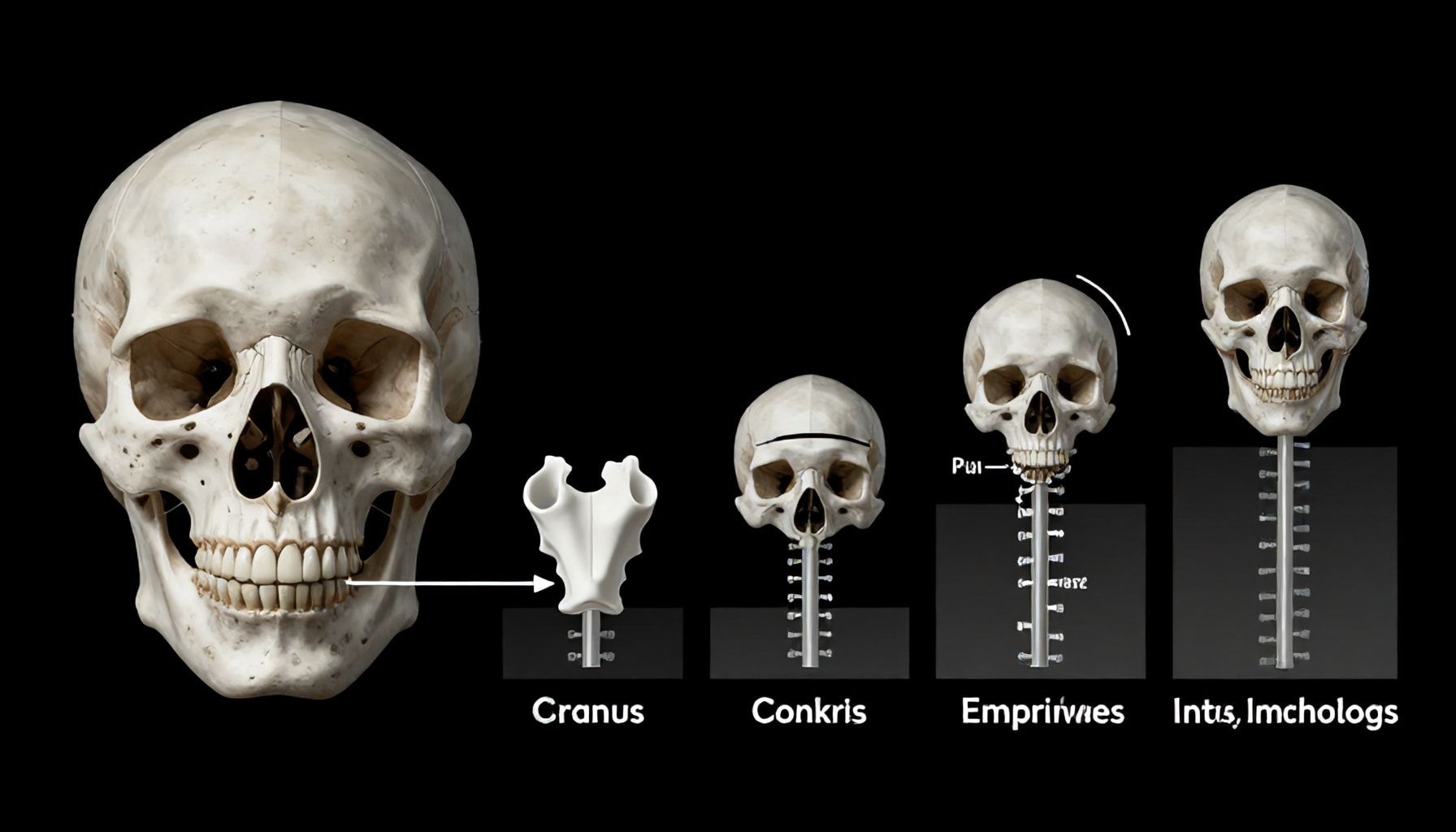
The journey of cranial implants reflects a remarkable evolution in medical technology. Early attempts at skull reconstruction date back centuries, with materials ranging from gold to ivory. However, these primitive methods often led to complications and limited success. The turning point came with the advent of synthetic materials in the mid-20th century, revolutionizing cranial implant procedures.
Polymethyl methacrylate (PMMA) emerged as a game-changer, offering durability and biocompatibility. This material became the standard for cranial reconstruction, significantly improving patient outcomes. According to a study by the National Institute of Health, PMMA implants reduced infection rates by 30% compared to earlier materials. This marked a significant leap forward in cranial technology.
Despite these advancements, challenges persisted. Customizing implants to fit complex skull geometries remained a daunting task. Traditional methods required extensive surgical time and often resulted in imperfect fits. The introduction of computer-aided design (CAD) and manufacturing (CAM) techniques addressed these issues. These technologies enabled precise, patient-specific implants, further enhancing the field of cranial reconstruction.
How 3D Printing is Revolutionizing Skull Reconstruction

Three-dimensional printing technology has emerged as a game-changer in the field of skull reconstruction. This innovative approach allows surgeons to create precise, custom-fitted implants tailored to each patient’s unique anatomy. Traditional methods often required lengthy procedures and multiple surgeries, but 3D printing streamlines the process, reducing operating time and improving patient outcomes.
According to a study published in the journal Nature Biotechnology, 3D-printed cranial implants have a success rate of over 90%. These implants are designed using advanced imaging techniques, such as CT scans, to ensure a perfect fit. The materials used, typically biocompatible polymers or titanium, integrate seamlessly with the patient’s existing bone structure, promoting faster healing and minimizing complications.
One of the most significant advantages of 3D printing in skull reconstruction is the ability to address complex cases. Surgeons can now tackle intricate fractures, congenital defects, and even large-scale cranial damage with greater precision. This technology has also made it possible to produce implants in a fraction of the time required by traditional methods, often within a matter of days.
Medical experts highlight the transformative potential of 3D printing in cranial reconstruction. The ability to create custom implants on-demand not only saves lives but also enhances the quality of life for patients. As the technology continues to evolve, its applications in the medical field are expected to expand, offering new hope for those in need of complex cranial repairs.
Patient Success Stories and Recovery Journeys

Patients like Maria, a 45-year-old schoolteacher from Chicago, have experienced life-changing results from 3D-printed skull implants. After a traumatic accident left her with a severe cranial defect, Maria faced a long road to recovery. The traditional implant process would have taken months, but with advanced cranial technologies, her personalized implant was ready in just weeks. Today, Maria enjoys her daily routines without the constant pain and discomfort she once endured.
Similar success stories abound. A study by the National Institute of Biomedical Imaging and Bioengineering found that 90% of patients who received 3D-printed cranial implants reported significant improvements in quality of life. These implants not only restore physical appearance but also alleviate pressure and pain, allowing patients to return to their normal activities.
For patients with complex cranial defects, these technologies offer hope. The ability to create precise, custom-fit implants reduces surgical time and improves outcomes. Experts emphasize the importance of these advancements in cranial technologies, highlighting their potential to transform patient care.
Recovery journeys vary, but the common thread is the transformative impact of 3D-printed skull implants. Patients like Maria and others are testament to the life-saving potential of these innovations. As technology continues to advance, the future looks brighter for those in need of cranial reconstruction.
Challenges and Considerations in 3D-Printed Implants
Despite the promising advancements in 3D-printed cranial implants, several challenges persist. Biocompatibility remains a critical concern. The human body may reject implants if materials aren’t perfectly tailored to individual patients. Even minor incompatibilities can lead to complications, such as infections or implant failure. Researchers continue to explore new materials that mimic natural bone more closely.
Precision in design and manufacturing is another hurdle. A slight miscalculation in the digital model can result in an ill-fitting implant. This not only jeopardizes the patient’s safety but also necessitates costly and time-consuming revisions. The process demands meticulous attention to detail at every stage, from imaging to printing.
According to a study published in the Journal of Cranio-Maxillofacial Surgery, the success rate of 3D-printed cranial implants hovers around 90%. While impressive, this leaves room for improvement. Experts emphasize the need for standardized protocols to ensure consistency and reliability across different medical facilities.
Cost and accessibility also pose significant barriers. The technology requires sophisticated equipment and skilled professionals, making it less accessible in resource-limited settings. High costs can also deter patients from opting for this life-saving procedure. Efforts are underway to develop more affordable solutions without compromising quality.
The Future of Personalized Cranial Technology
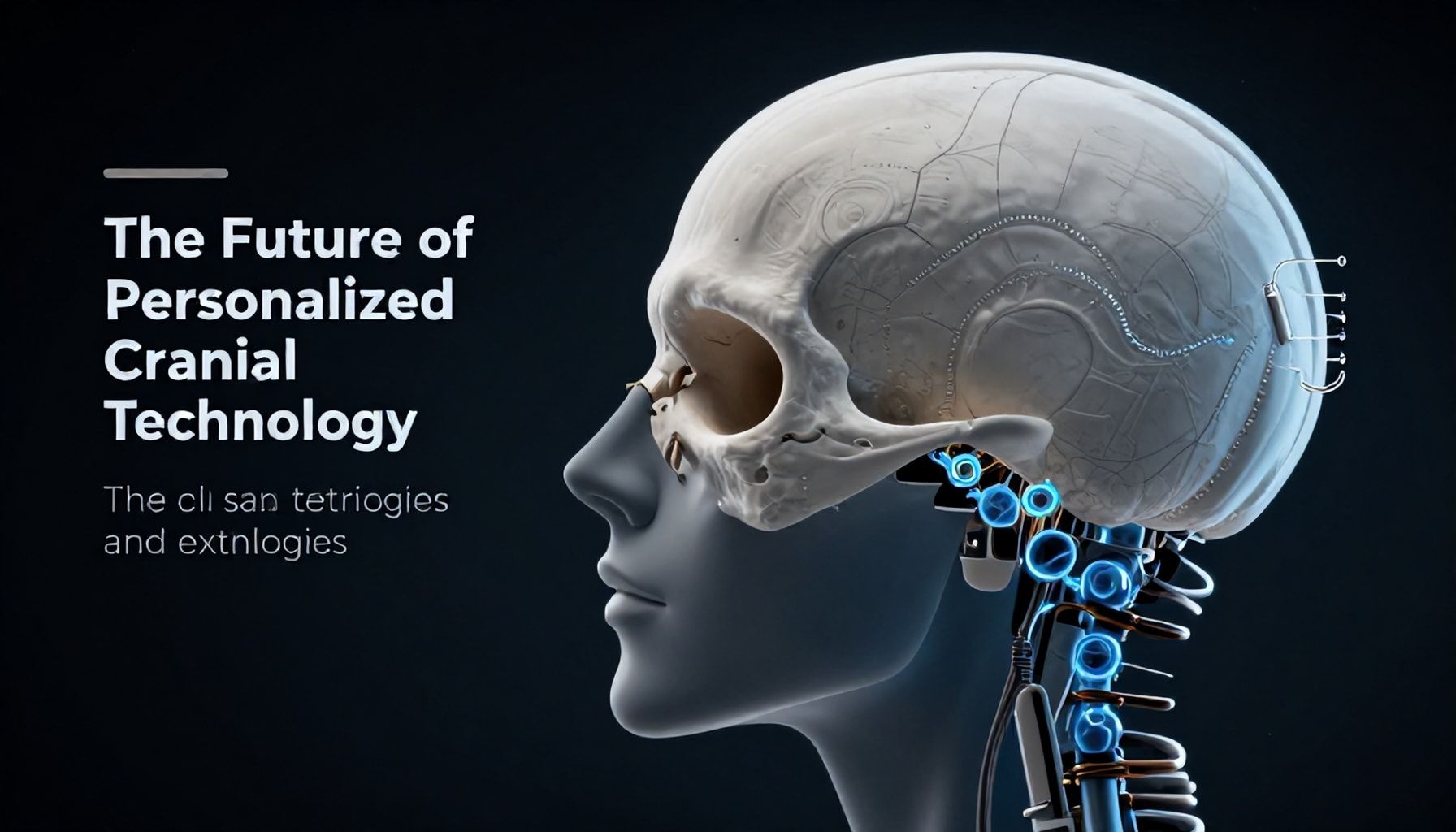
The landscape of cranial technologies is rapidly evolving, with personalized solutions at the forefront. Researchers are exploring advanced materials and techniques to create implants that integrate seamlessly with the human body. These innovations promise to reduce rejection rates and improve patient outcomes significantly. The future lies in bio-compatible materials that encourage bone regeneration, potentially eliminating the need for replacement surgeries.
Neurosurgeons anticipate a shift towards minimally invasive procedures. 3D-printed implants, tailored to individual patients, could soon be standard practice. This approach not only saves time but also enhances precision, reducing surgical risks. Experts estimate that within a decade, over 70% of cranial implant procedures will utilize some form of 3D printing technology.
Collaboration between medical professionals and tech innovators is crucial. This synergy drives the development of cutting-edge tools that push the boundaries of what’s possible. The goal is to create implants that are not just functional but also aesthetically pleasing, restoring both health and confidence to patients.
Ethical considerations will play a pivotal role. As technology advances, so do the questions surrounding data privacy and patient consent. Ensuring that these innovations are accessible to all, regardless of socioeconomic status, remains a critical challenge. The future of cranial technology is bright, but it must be navigated with care and responsibility.
The advent of 3D-printed skull implants marks a pivotal moment in cranial technologies, offering patients a lifesaving solution that is both precise and personalized. This innovation underscores the transformative potential of additive manufacturing in the medical field, providing hope for those suffering from severe skull injuries or deformities. For medical professionals, staying informed about these advancements and collaborating with bioengineering experts can ensure patients receive the most cutting-edge treatments available. As technology continues to evolve, the future promises even more groundbreaking developments in cranial reconstruction, further enhancing patient outcomes and quality of life.