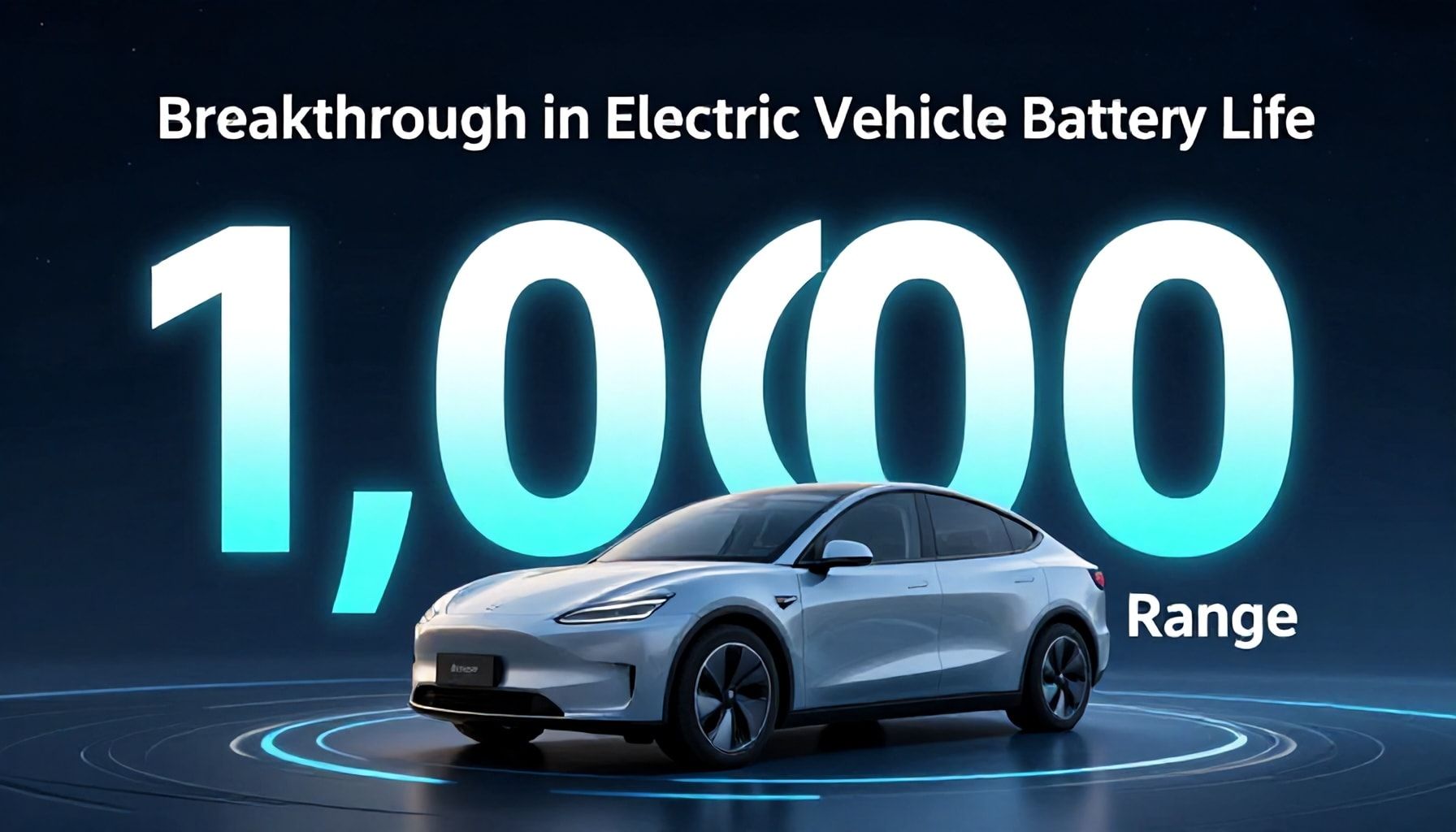
Electric vehicle technology has reached a significant milestone: a battery capable of powering a vehicle for 1,000 miles on a single charge. This breakthrough, achieved by a team of researchers, represents a dramatic leap forward in energy storage and could redefine the future of transportation.
For drivers, this advancement in electric vehicle technology means fewer range anxiety concerns and longer journeys between charges. The 1,000-mile range brings electric vehicles closer to parity with traditional gasoline-powered cars, addressing one of the most significant barriers to widespread adoption. This development could accelerate the shift toward sustainable transportation, making electric vehicles a more practical choice for consumers worldwide.
The Science Behind the Breakthrough
The recent breakthrough in electric vehicle (EV) battery technology has sent shockwaves through the automotive industry. Researchers have achieved a remarkable 1,000-mile range on a single charge, a feat previously thought impossible. This milestone was accomplished through a combination of advanced materials science and innovative engineering. The new battery design incorporates a novel silicon anode and a high-energy-density cathode, which significantly increases energy storage capacity.
One of the key innovations is the use of a solid-state electrolyte, which replaces the traditional liquid electrolyte found in most lithium-ion batteries. Solid-state electrolytes are safer and more stable, allowing for higher energy densities. According to a leading battery researcher, this technology could potentially double the energy density of current EV batteries, making 1,000-mile ranges a reality.
Additionally, the new battery design addresses the issue of degradation over time. Traditional lithium-ion batteries tend to lose capacity after several hundred charge cycles. The breakthrough technology, however, shows minimal degradation even after extensive use. This longevity is crucial for making EVs more practical and appealing to consumers.
The implications of this breakthrough are vast. Longer-range batteries mean fewer charging stops and increased convenience for EV owners. It also paves the way for electric trucks and other heavy-duty vehicles, which require more energy to travel long distances. As the technology becomes more widespread, it could significantly reduce the reliance on fossil fuels and lower greenhouse gas emissions.
Key Innovations Extending Battery Life
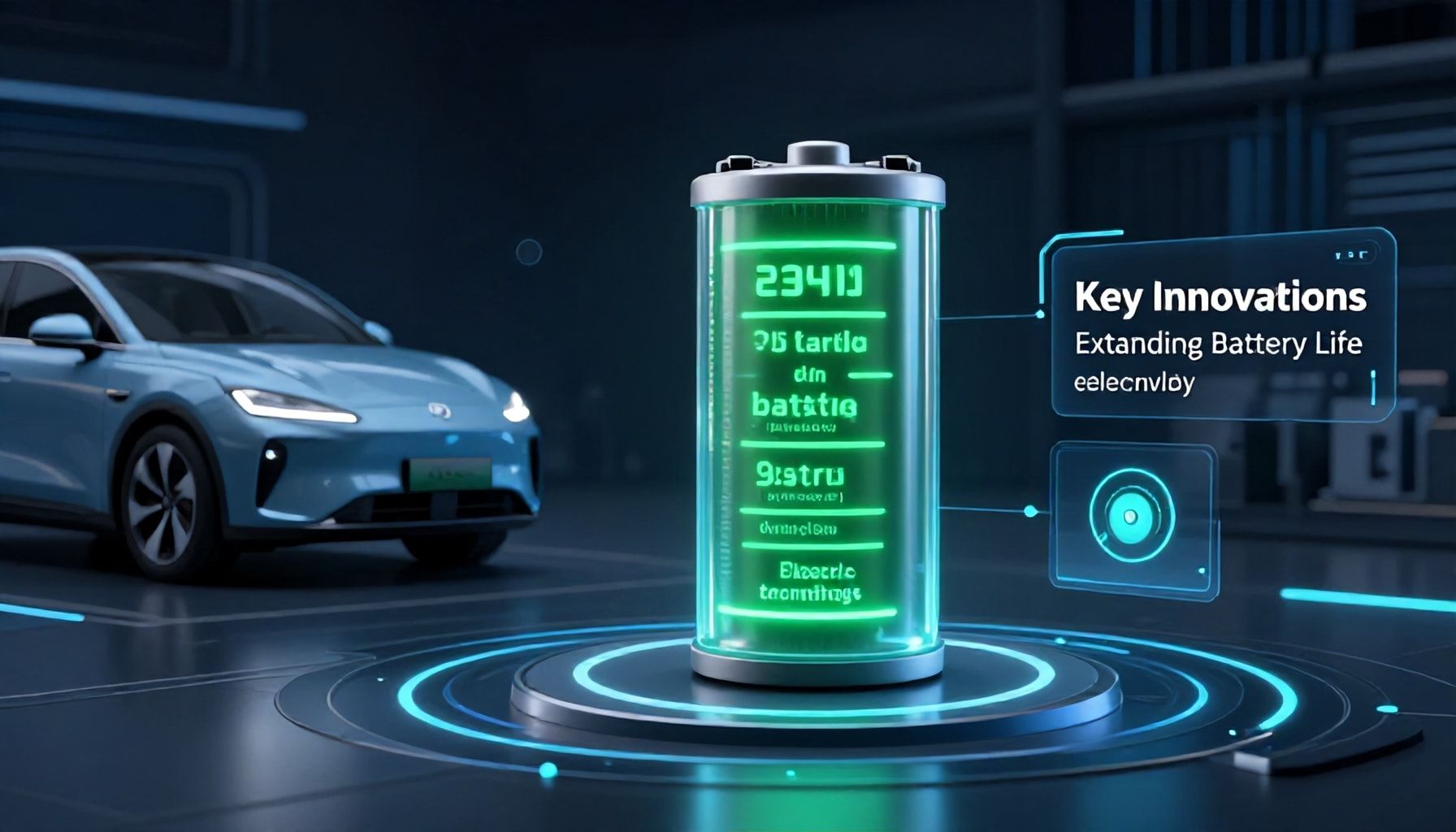
Researchers have made significant strides in extending electric vehicle (EV) battery life, with several key innovations pushing the boundaries of what’s possible. One such breakthrough involves the use of silicon-anode batteries, which can hold up to three times more energy than traditional graphite-anode batteries. This innovation alone could potentially double the range of current EVs, bringing the coveted 1,000-mile range within reach.
Another promising development is the implementation of solid-state batteries. These batteries replace the liquid electrolytes found in conventional batteries with solid materials, offering higher energy densities and improved safety. According to industry experts, solid-state batteries could increase energy density by up to 50%, further extending the range and lifespan of EV batteries.
Advancements in battery management systems (BMS) have also played a crucial role. These sophisticated systems monitor and manage battery performance, ensuring optimal charging and discharging cycles. By minimizing degradation and maximizing efficiency, BMS can significantly extend the overall life of EV batteries.
Additionally, researchers are exploring the use of advanced materials like graphene and lithium-sulfur compounds. These materials promise to enhance battery capacity and reduce weight, contributing to longer ranges and improved performance. With ongoing research and development, these innovations are poised to revolutionize the EV industry.
Real-World Implications for Drivers
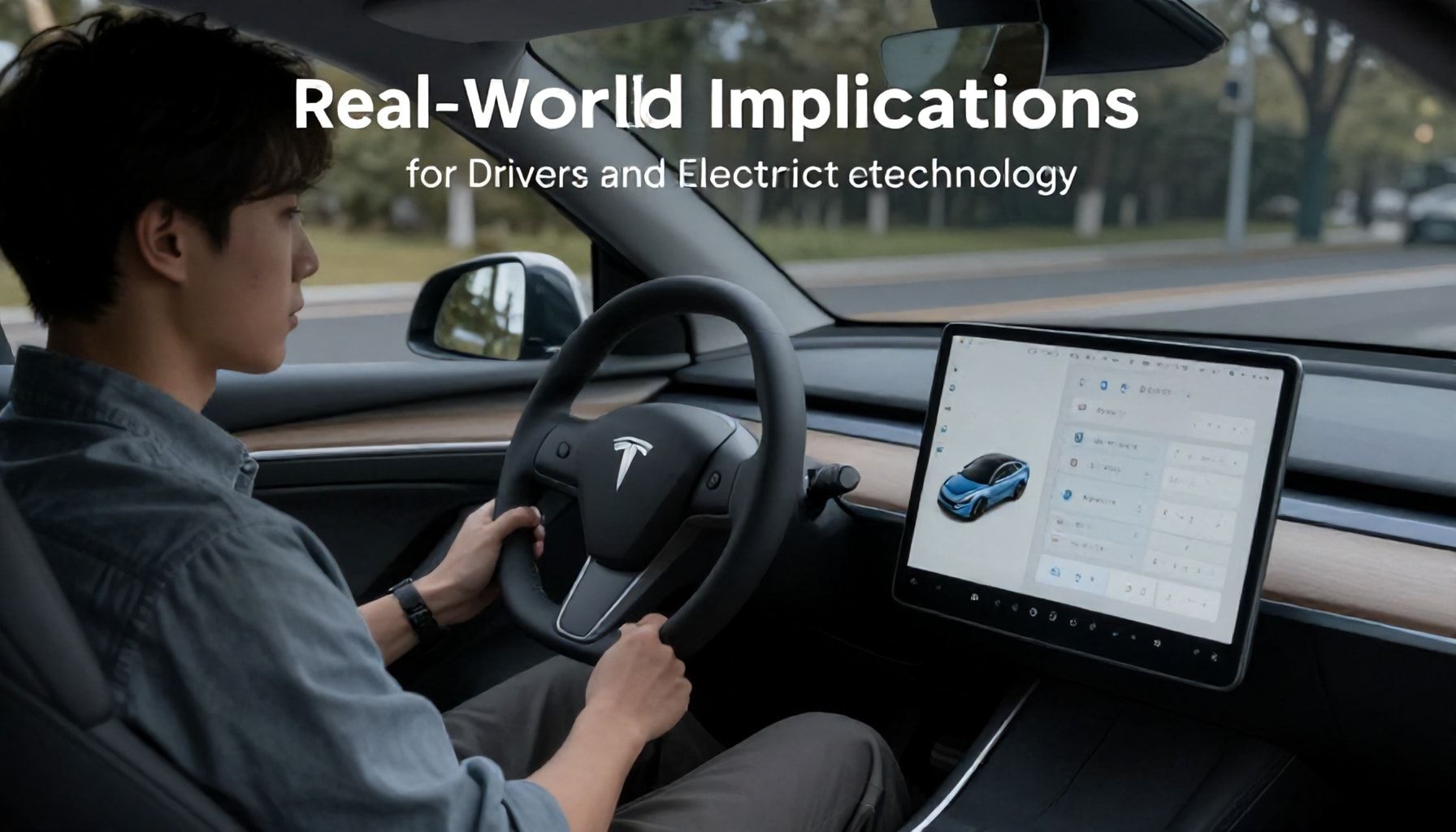
The recent breakthrough in electric vehicle (EV) battery technology, achieving a 1,000-mile range, promises to revolutionize the driving experience. Drivers can now consider EVs for long-distance travel without the anxiety of frequent recharging. This advancement addresses one of the most significant barriers to EV adoption, making electric vehicles a more viable option for a broader range of consumers.
For road trippers and frequent travelers, this development is a game-changer. The extended range means fewer stops and more time enjoying the journey. According to industry experts, this could lead to a 30% increase in EV sales within the next two years, as more drivers feel confident about the technology’s reliability.
Urban commuters also stand to benefit. With a 1,000-mile range, daily charging becomes less of a concern, even for those with longer commutes. This could encourage more city dwellers to switch to electric vehicles, reducing urban air pollution and traffic noise.
However, the infrastructure must keep pace with this technological leap. Charging stations need to be more widely available and faster to accommodate the increased demand. As the technology becomes more mainstream, drivers can expect to see significant improvements in the convenience and practicality of owning an electric vehicle.
Challenges in Mass-Producing Long-Life Batteries
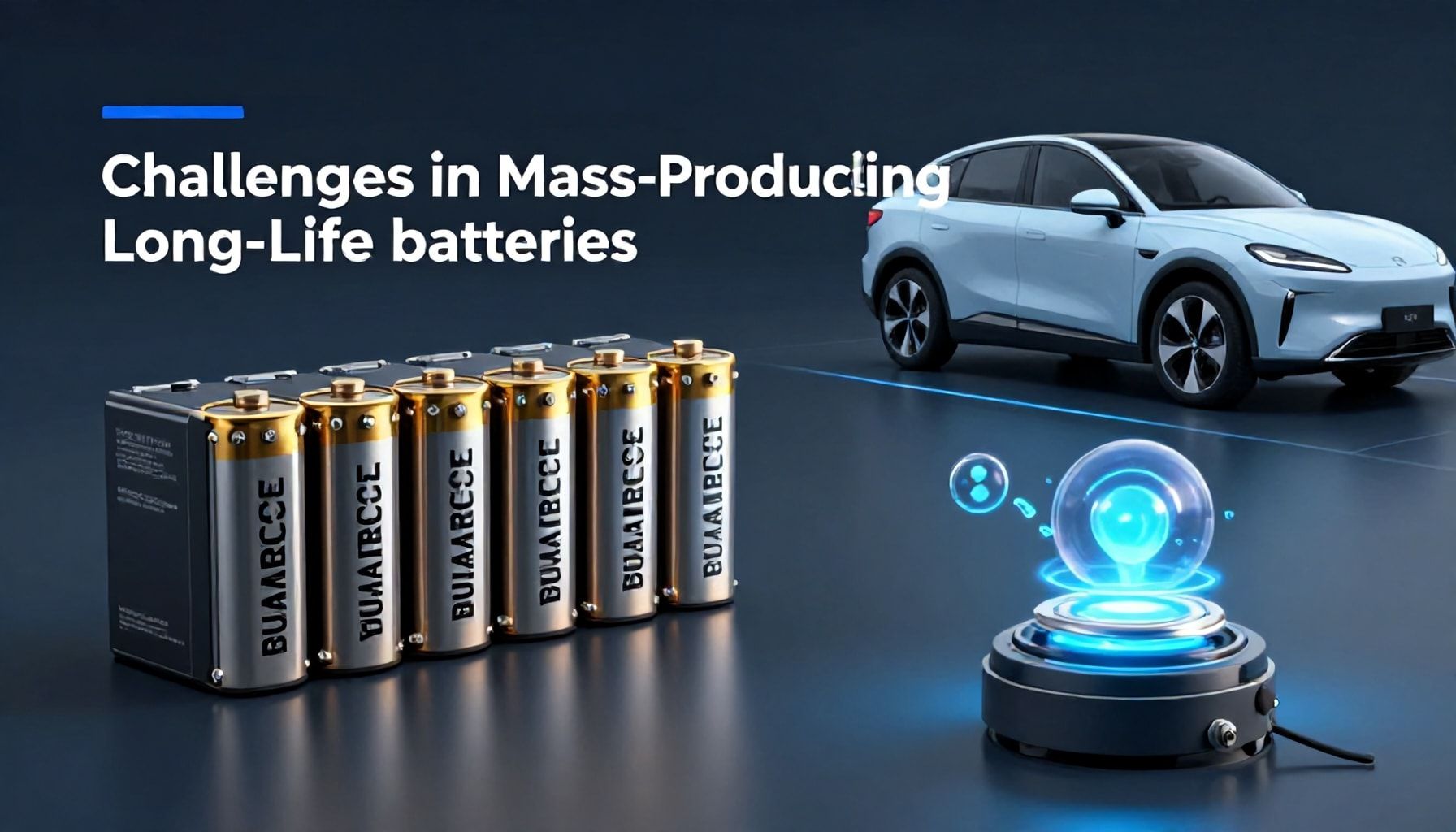
Mass-producing long-life batteries for electric vehicles presents significant challenges. Scaling up manufacturing processes while maintaining consistent quality proves difficult. Impurities in materials or inconsistencies in production can drastically reduce battery performance and lifespan. Industry experts estimate that achieving 99% consistency in battery production remains an elusive target for most manufacturers.
Thermal management also poses a substantial hurdle. High-performance batteries generate considerable heat, which can degrade components over time. Developing effective cooling systems that balance performance and longevity requires innovative engineering solutions. This complexity increases production costs and slows down the mass-production timeline.
Supply chain constraints further complicate the situation. Critical materials like lithium and cobalt face supply shortages and price volatility. Securing a steady supply of high-quality raw materials is essential for producing long-life batteries at scale. Manufacturers must navigate geopolitical risks and environmental concerns to maintain a reliable supply chain.
Despite these challenges, advancements in battery technology continue to push the boundaries of what’s possible. Researchers and engineers are exploring alternative materials and production methods to overcome these obstacles. The recent breakthrough of achieving a 1,000-mile range highlights the potential for significant progress in the near future.
The Future of Electric Vehicle Technology
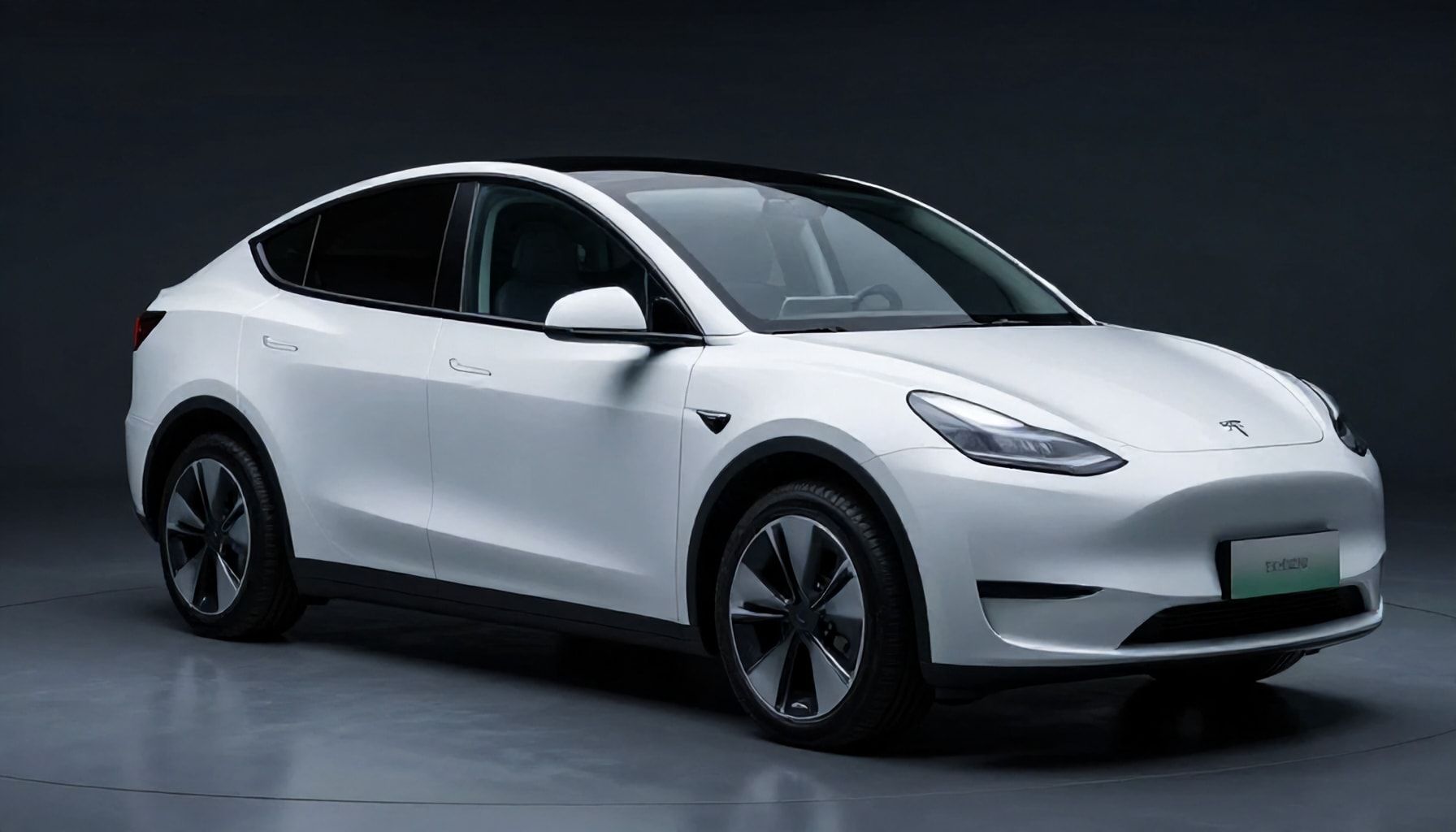
The electric vehicle (EV) industry is on the cusp of a technological revolution. The recent breakthrough in battery life, achieving a 1,000-mile range, is just the beginning. Experts predict that by 2030, EVs will account for 30% of new vehicle sales globally, a testament to the rapid advancements in EV technology.
One of the most promising areas of development is solid-state batteries. Unlike traditional lithium-ion batteries, solid-state batteries use a solid electrolyte, which can significantly increase energy density and safety. This innovation could lead to even longer ranges and faster charging times, making EVs more convenient and appealing to consumers.
Another exciting advancement is the integration of vehicle-to-everything (V2X) technology. This system allows EVs to communicate with each other and with infrastructure, improving traffic flow and reducing accidents. V2X technology is expected to become standard in new EVs within the next decade, further enhancing the driving experience.
Autonomous driving technology is also making strides, with many EV manufacturers incorporating advanced driver-assistance systems (ADAS) into their vehicles. These systems use sensors, cameras, and AI to assist drivers in various ways, from parking assistance to collision avoidance. As the technology continues to evolve, fully autonomous EVs could become a reality in the near future.
With these advancements on the horizon, the future of electric vehicle technology looks bright. The industry is poised for significant growth, driven by innovation and a growing demand for sustainable transportation solutions.
The race to extend electric vehicle range has reached a significant milestone with the achievement of a 1,000-mile range in battery technology. This breakthrough not only addresses range anxiety but also brings electric vehicles closer to mainstream adoption. For consumers, this means longer journeys without the need for frequent charging, making electric vehicles a more practical choice for daily use. Looking ahead, this development sets the stage for even more innovative advancements, as researchers continue to push the boundaries of battery technology.