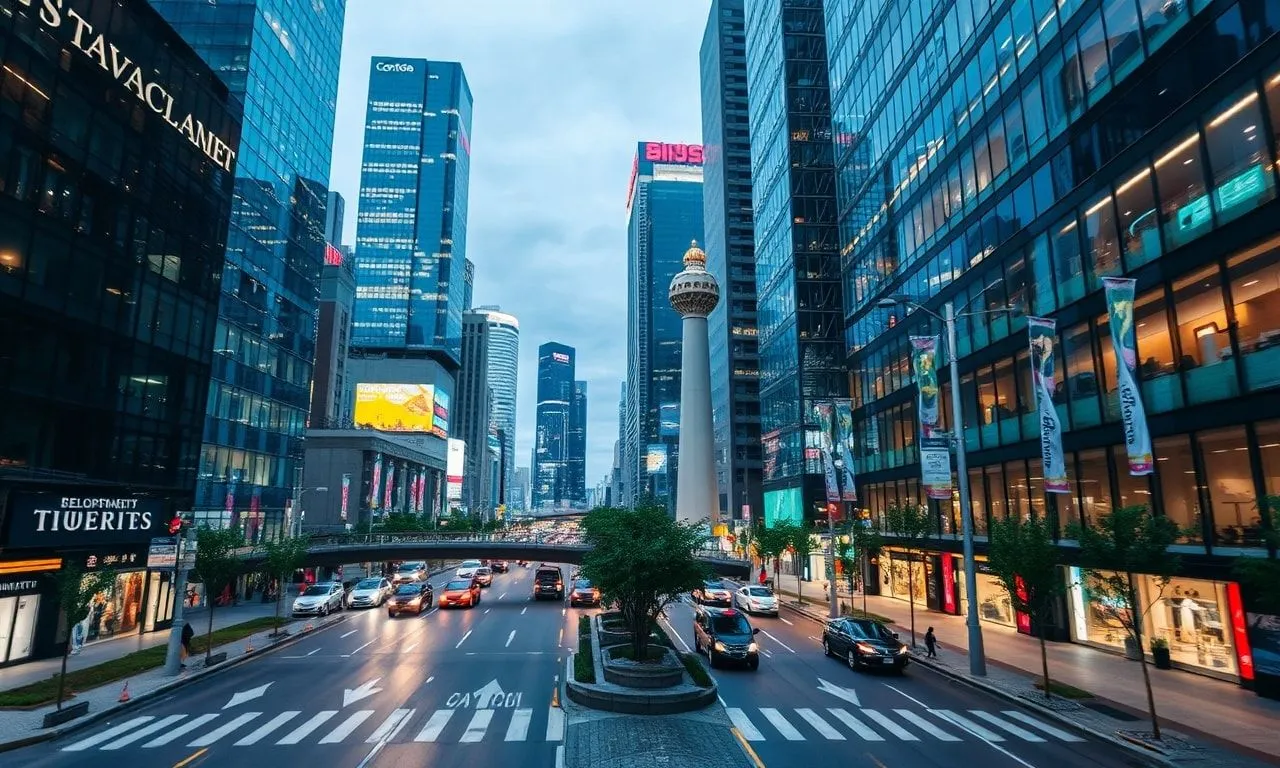
The Evolution of Smart Cities
In the rapidly evolving landscape of technology, one of the most transformative trends is the development of smart cities. These urban areas leverage advanced technologies to enhance the quality of life for their residents, improve sustainability, and streamline city management. From intelligent traffic systems to energy-efficient buildings, smart cities are at the forefront of urban innovation.
The Role of AI in Urban Planning
Artificial Intelligence (AI) plays a pivotal role in the planning and management of smart cities. AI algorithms can analyze vast amounts of data to predict traffic patterns, optimize public transportation routes, and even manage waste disposal systems. For instance, AI-powered sensors can monitor air quality and adjust traffic lights in real-time to reduce congestion and pollution. This integration of AI into urban infrastructure is revolutionizing the way cities operate, making them more efficient and livable.
Data-Driven Decision Making
One of the key benefits of AI in urban planning is its ability to facilitate data-driven decision-making. By collecting and analyzing data from various sources, city planners can make informed decisions that improve urban living conditions. For example, AI can predict the demand for public services, such as healthcare and education, allowing cities to allocate resources more effectively. Additionally, AI can help identify areas that require infrastructure improvements, ensuring that urban development is both sustainable and equitable.
The Impact of IoT on Smart Cities
The Internet of Things (IoT) is another critical technology driving the development of smart cities. IoT devices, such as smart meters, sensors, and connected vehicles, enable cities to collect and exchange data in real-time. This data can be used to monitor and manage various aspects of urban life, from energy consumption to public safety. For instance, smart meters can help residents track their energy usage and reduce waste, while connected vehicles can improve traffic flow and reduce emissions.
Enhancing Public Safety
IoT technology also enhances public safety in smart cities. For example, smart surveillance systems can detect and respond to potential threats, such as fires or criminal activity, in real-time. Additionally, IoT-enabled emergency response systems can provide first responders with critical information, such as the location of an incident and the number of people affected. This integration of IoT into public safety systems ensures that cities are better prepared to handle emergencies and protect their residents.
The Future of Smart Cities
As technology continues to advance, the future of smart cities looks promising. Emerging technologies, such as 5G, edge computing, and quantum computing, are expected to further enhance the capabilities of smart cities. For example, 5G networks will enable faster and more reliable communication between IoT devices, while edge computing will allow data to be processed closer to the source, reducing latency and improving efficiency. Quantum computing, on the other hand, has the potential to revolutionize data analysis and decision-making, making cities even smarter and more responsive to the needs of their residents.
Sustainability and Smart Cities
Sustainability is a key focus of smart city development. By leveraging advanced technologies, cities can reduce their environmental impact and promote sustainable practices. For instance, smart grids can optimize energy distribution, reducing waste and lowering carbon emissions. Additionally, smart buildings can be designed to be more energy-efficient, using less electricity and water. These initiatives not only benefit the environment but also improve the quality of life for residents, making smart cities more attractive and livable.
For the latest updates on how technology is shaping urban development, you can stay informed with London news today latest. This resource provides valuable insights into the latest trends and innovations in smart cities, keeping you up-to-date with the rapidly evolving landscape of urban technology.
Conclusion
The development of smart cities represents a significant leap forward in urban innovation. By integrating advanced technologies such as AI, IoT, and 5G, cities can become more efficient, sustainable, and livable. As technology continues to evolve, the potential for smart cities to transform urban life is immense. Embracing these innovations will be crucial for cities to meet the challenges of the future and create a better quality of life for their residents.
Discover how tech innovations are shaping urban fashion trends by exploring London’s tech-infused style scene and its impact on city living.
To stay ahead in both tech and style, explore current hair trends that complement your innovative lifestyle.
As technology evolves, renewable energy integration becomes crucial; discover how solar power shapes future tech in our latest feature.