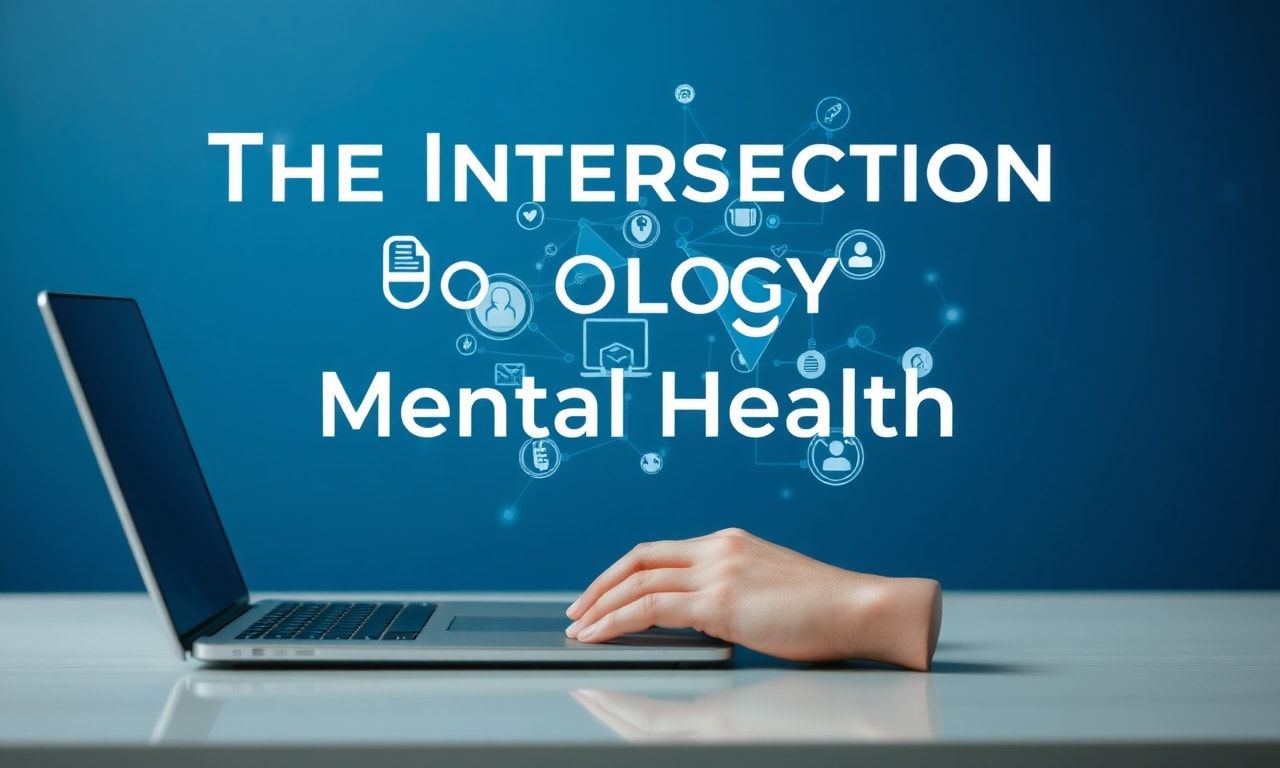
The Role of Technology in Mental Health
Technology has permeated nearly every aspect of our lives, and mental health is no exception. From apps that track mood to AI-driven therapy chatbots, the tech industry is increasingly focused on creating tools that can help individuals manage their emotional well-being. This shift is not only transforming how we approach mental health but also making these resources more accessible to a broader audience.
Innovative Tech Solutions for Emotional Well-being
One of the most significant advancements in this field is the development of mental health apps. These applications offer a range of features, including mood tracking, guided meditation, and cognitive-behavioral therapy (CBT) exercises. For instance, apps like Headspace and Calm have gained popularity for their ability to provide users with daily routines to improve emotional well-being. These tools are designed to be user-friendly and can be accessed anytime, anywhere, making them a convenient option for those seeking support.
Artificial Intelligence (AI) is another area where significant progress has been made. AI-driven chatbots, such as Woebot and Replika, use natural language processing to engage users in therapeutic conversations. These chatbots can provide immediate support, offer coping strategies, and even help users develop healthier thought patterns. The integration of AI in mental health care is a promising development, as it has the potential to bridge the gap between those in need and professional mental health services.
The Impact of Wearable Technology
Wearable technology, such as smartwatches and fitness trackers, has also played a role in promoting mental well-being. These devices can monitor various health metrics, including heart rate, sleep patterns, and physical activity levels. By providing users with insights into their overall health, wearables can help individuals identify patterns that may be contributing to stress or anxiety. For example, a smartwatch that tracks sleep quality can alert users to potential sleep disorders, which can then be addressed with the help of a healthcare professional.
Cybersecurity and Mental Health Data
As technology continues to play a more significant role in mental health care, the issue of data privacy and security becomes increasingly important. Mental health data is highly sensitive, and users must be able to trust that their information is being handled responsibly. Cybersecurity measures, such as encryption and secure data storage, are essential for protecting user data and maintaining trust in these technologies.
Additionally, developers and healthcare providers must adhere to strict guidelines and regulations, such as the Health Insurance Portability and Accountability Act (HIPAA) in the United States, to ensure that user data is protected. By prioritizing cybersecurity, the tech industry can help create a safe and secure environment for individuals seeking mental health support.
The Future of Tech and Mental Health
The future of technology in mental health care looks promising, with ongoing advancements in AI, wearable technology, and data security. As these innovations continue to evolve, they have the potential to revolutionize how we approach mental health care, making it more accessible, personalized, and effective. However, it is essential to address the challenges and ethical considerations associated with these technologies to ensure that they are used responsibly and ethically.
In conclusion, the intersection of technology and mental health is a rapidly growing field with immense potential. By leveraging innovative tech solutions, we can help individuals manage their emotional well-being more effectively and improve their overall quality of life. As technology continues to advance, it is crucial to prioritize data security and ethical considerations to ensure that these tools are used responsibly and effectively.
Discover how to harness the power of digital advancements for personal development in tech-driven self-improvement strategies, our latest feature on the convergence of tech innovations and personal growth.